当社の優れた製品

光学レンズは、光を集束させて鮮明な画像を形成するために使用される、光学イメージング システムの中核となる光学部品です。光学レンズの主な機能は、光学原理を通じて光を正確に制御し、それによって高品質の画像取得と処理を実現することです。光学レンズの主な機能は光学結像です。
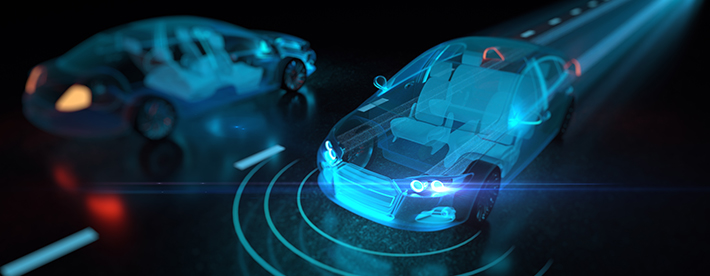
車載グレードのカメラレンズ
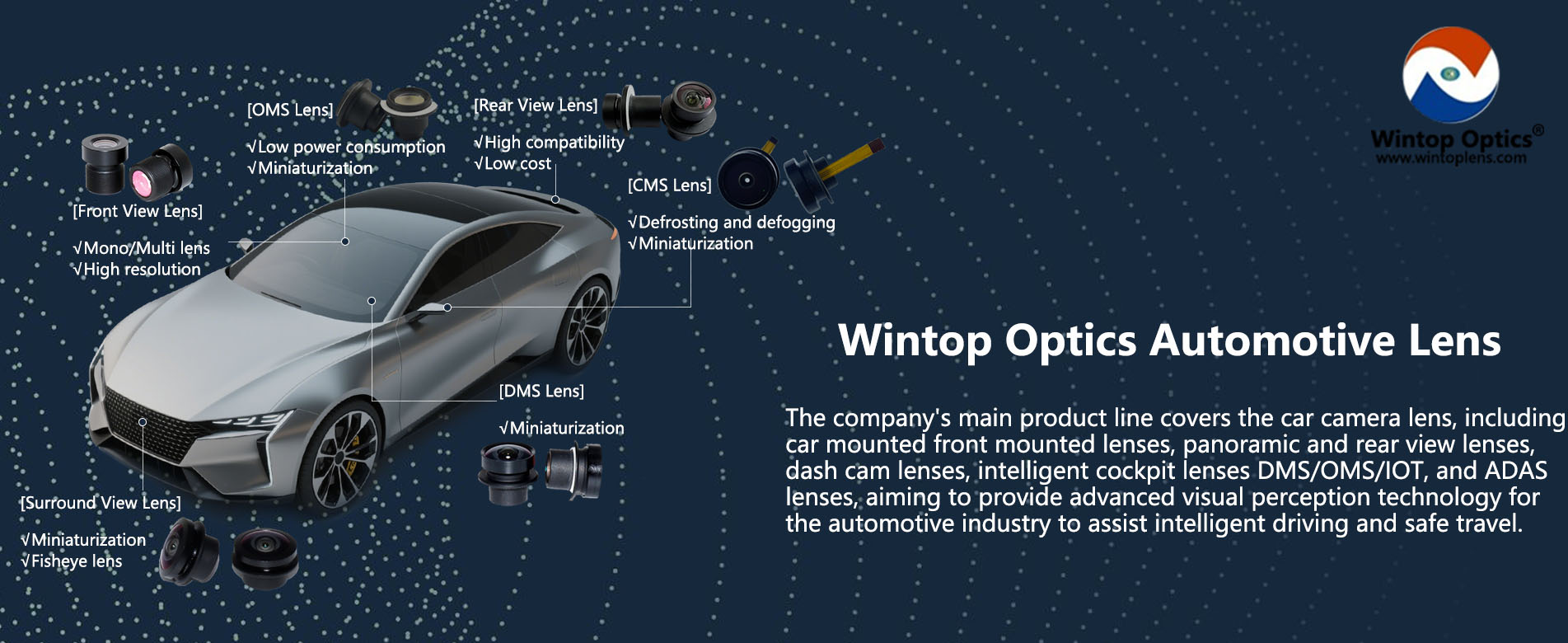
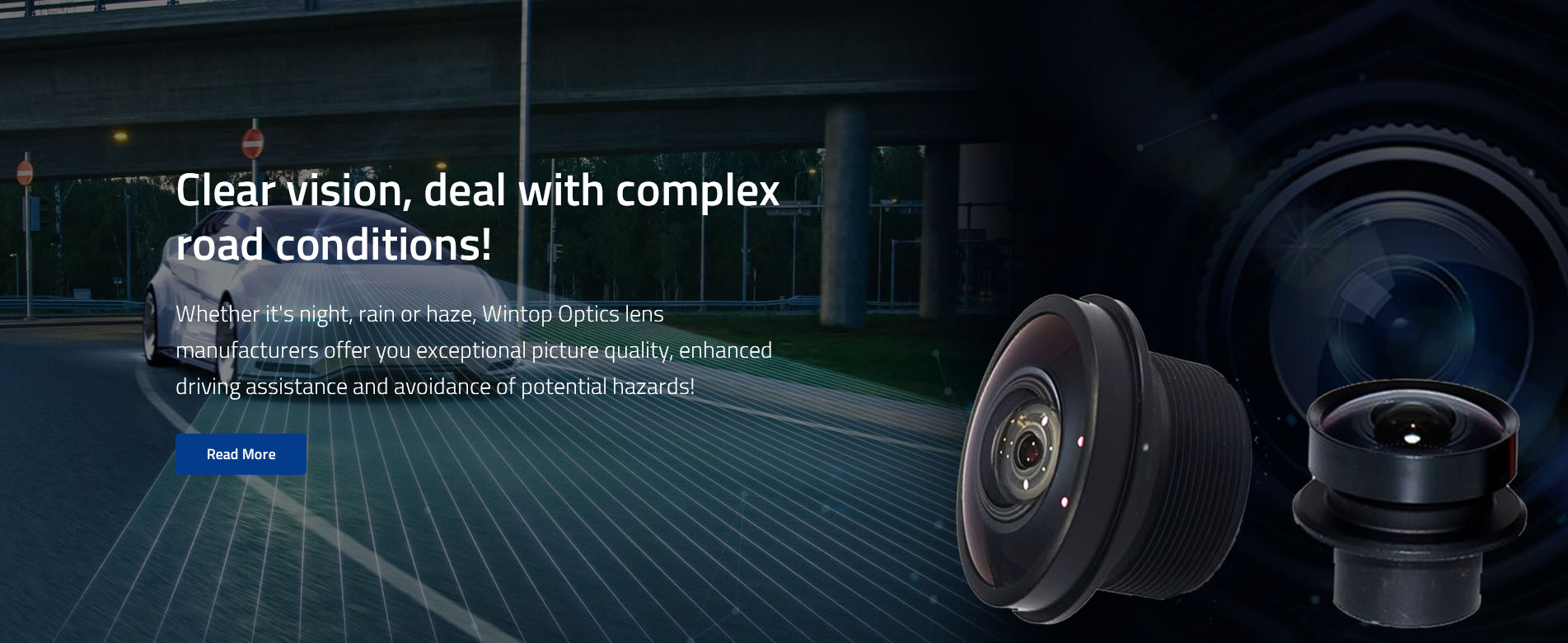
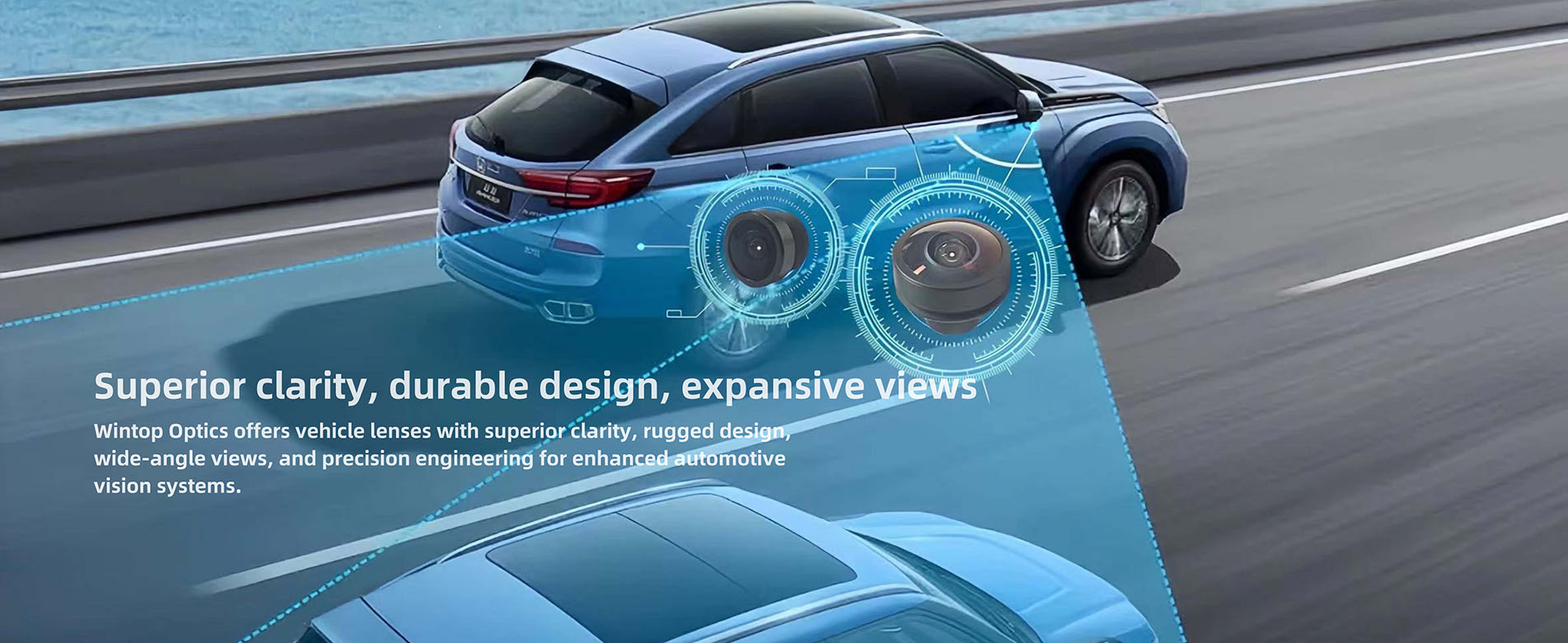
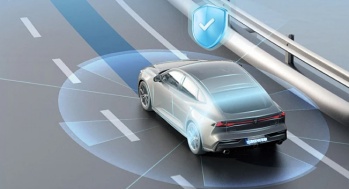
Wintop Optics の自動車グレードのカメラ レンズは、IATF 16949/TS 16949 品質管理システム標準に準拠して設計および製造されており、高温や低温、振動、湿度などの極端な条件下でも安定した信頼性の高いパフォーマンスを確保するために厳格な品質管理プロセスが実施されています。 さらに、Wintop Optics の自動車グレードのカメラレンズは、ADAS、サラウンドビュー、インテリジェントコックピットソリューションにおいて世界有数の自動車メーカーに広く採用されており、高精度の視覚入力と信頼性の高い安全性保証を提供しています。
続きを読む
フロントビューレンズ
Wintop Opticsの車両用フロントビューカメラレンズは、独自に開発した多層コーティングレンズと最適化された光学設計を採用し、高感度と低歪みを実現しています。強い逆光や薄暗い夜間でも鮮明な画像を撮影し、ADASシステムの前方視界性能に対する厳しい要件を満たしています。 さらに、フロントビューカメラレンズはCMS/OMSプラットフォームと緊密に統合することができ、死角警告、障害物検知、車線認識などの機能を実現します。この統合により、車両は信頼性の高い前方視覚情報を取得し、インテリジェントな運転を支援し、安全性を向上させます。
続きを読む
リアビューレンズ
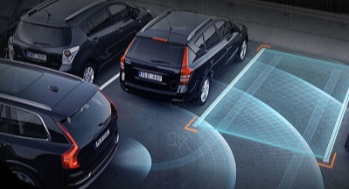
Wintop Opticsの車載リアビューカメラレンズは、独自の多層コーティングと最適化された光学構造技術を採用し、画像感度を効果的に向上させるとともに、歪み、グレア、迷光を抑え、クリアな後方視界を実現します。これらのレンズは、後退や駐車時にドライバーの正確な視界をサポートします。また、死角検知、障害物検知、サラウンドビューシステムなどの先進運転支援システム(ADAS)との高度な統合も可能で、運転の安全性と利便性を向上させます。Wintop Opticsは、乗用車、商用車、特殊車両など、世界的に著名な多くのOEMに量産型のリアビューカメラソリューションを供給してきました。また、幅広い視野角オプション、赤外線フィルター付き暗視レンズ、AA(アクティブアライメント)接着組立プロセスなど、カスタマイズサービスも提供しており、様々な業界のお客様の多様なニーズにお応えします。
続きを読む
サラウンドビューレンズ
サラウンドビュー システムは、複数の超広角 M12 魚眼レンズと高度な画像ステッチおよび融合アルゴリズムを組み合わせて使用​​し、死角警告や障害物検出などの ADAS 機能を高度に統合して、車両周囲のシームレスな 360 度の鳥瞰図を提供します。 Wintop Opticsは、60件を超える実用新案特許と200種類以上のレンズモデルを擁し、多様な車種や用途要件に対応する高度にカスタマイズされたサラウンドビューカメラレンズソリューションを提供しています。同社の製品は、TS16949、ISO 9001、ISO 14001といった国際品質マネジメントシステムの認証を取得しており、自動車業界の厳格な基準を満たす安定した品質管理を実現しています。
続きを読む
キャビンレンズ
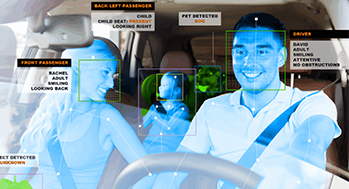
Wintop Opticsの車載カメラレンズは、インテリジェントコックピット向けに高精度なマルチモーダル認識機能を提供します。高度な画像技術とインテリジェントアルゴリズムを統合し、ドライバーモニタリングシステム(DMS)と乗員モニタリングシステム(OMS)の複雑な要件に対応します。RGB-IRや短波赤外線を含むマルチスペクトル画像技術を活用することで、これらのカメラはあらゆる照明条件において信頼性の高い動作を保証し、疲労認識、視線追跡、乗客の安全監視といった乗員の行動を、低照度、逆光、悪天候といった状況下でも鮮明に検知します。
続きを読む
CMSレンズ
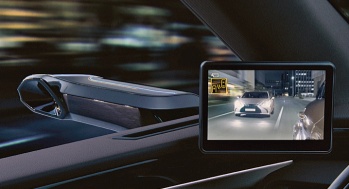
Wintopの車載カメラレンズは、コーティング技術と設計の最適化により、画像の感度を向上させ、画像の歪みを効果的に低減し、グレアや迷光が画像に与える影響を軽減します。従来の金属製バックミラーをカメラとスクリーンで置き換えることで、その原理は非常にシンプルです。カメラが車両後方の画像を撮影し、ハードウェアとソフトウェアのシステムで処理してスクリーンに表示することで、運転者は車両後方のリアルタイム画像を確認できます。同時に、CMSは死角警告や障害物警告などの機能を統合し、先進運転支援システム(ADAS)の開発を促進します。
続きを読む
車載DVRレンズ
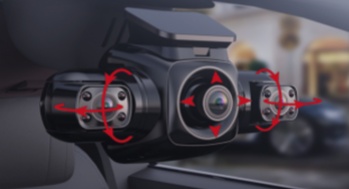
ドライブレコーダーレンズ(DVR/ダッシュカムレンズとも呼ばれます)は、車両の走行状況に関する画像、音声、その他の情報を記録するカメラレンズです。ドライブレコーダーレンズを取り付けると、運転中の全過程を映像と音声で記録し、交通事故の証拠として活用できます。また、事故発生前のドライバーの操作プロセスを客観的に記録し、事故前、事故中、事故後のドライバーの様々な反応や外部環境の変化を効果的に記録します。
続きを読む
  • 19
    0+ Years

    研究開発および生産経験

  • 200
    0+ Items

    レンズモデル

  • 1000
    0+

    協力パートナー

  • 15000
    0+

    工場面積(㎡)

私たちについて

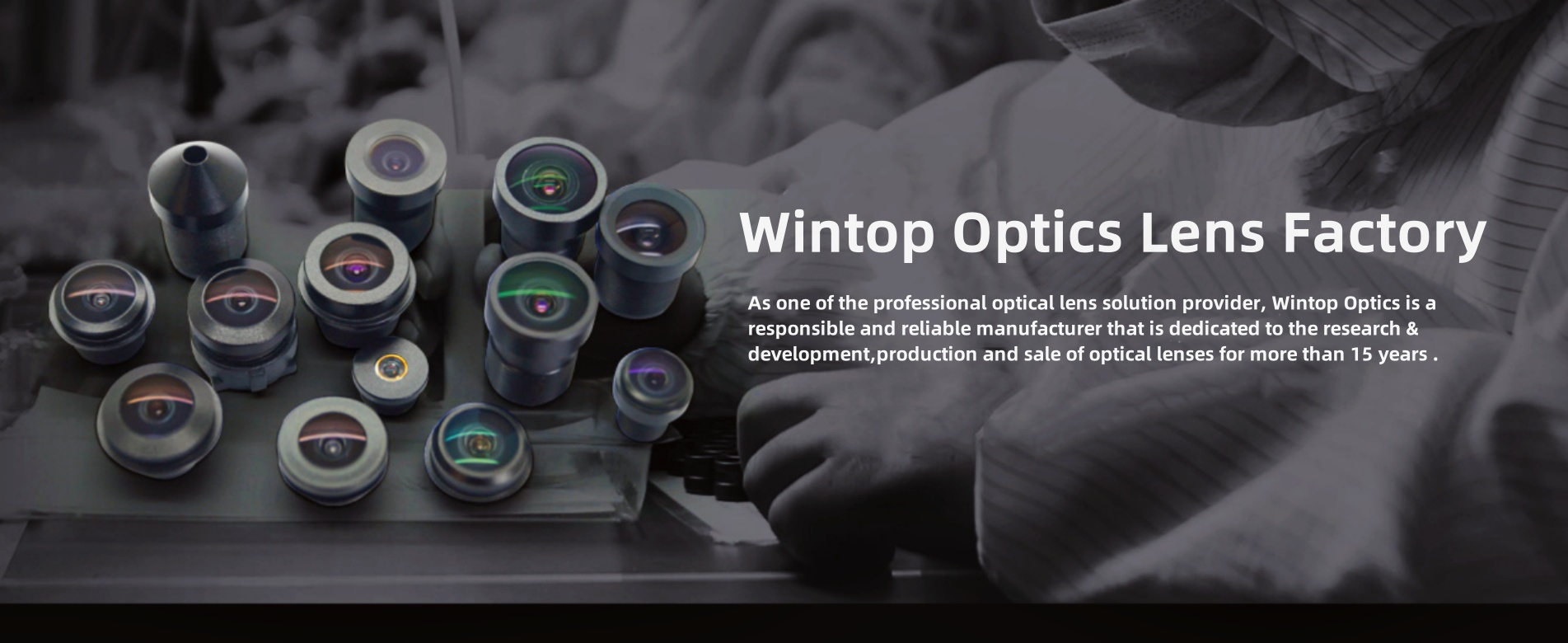
「Wintop Optics」は、光学レンズソリューションの専門プロバイダーとして、19年以上の経験を持つレンズの研究開発、製造、販売に専念する、責任感と信頼性のあるメーカーです。Wintopの研究開発センターは2006年8月に深圳に設立され、製造センターは湖北省黄梅市に位置し、敷地面積は15,000平方メートルです。Wintop Opticsは、湖北雲台時代光学儀器有限公司の子会社です。

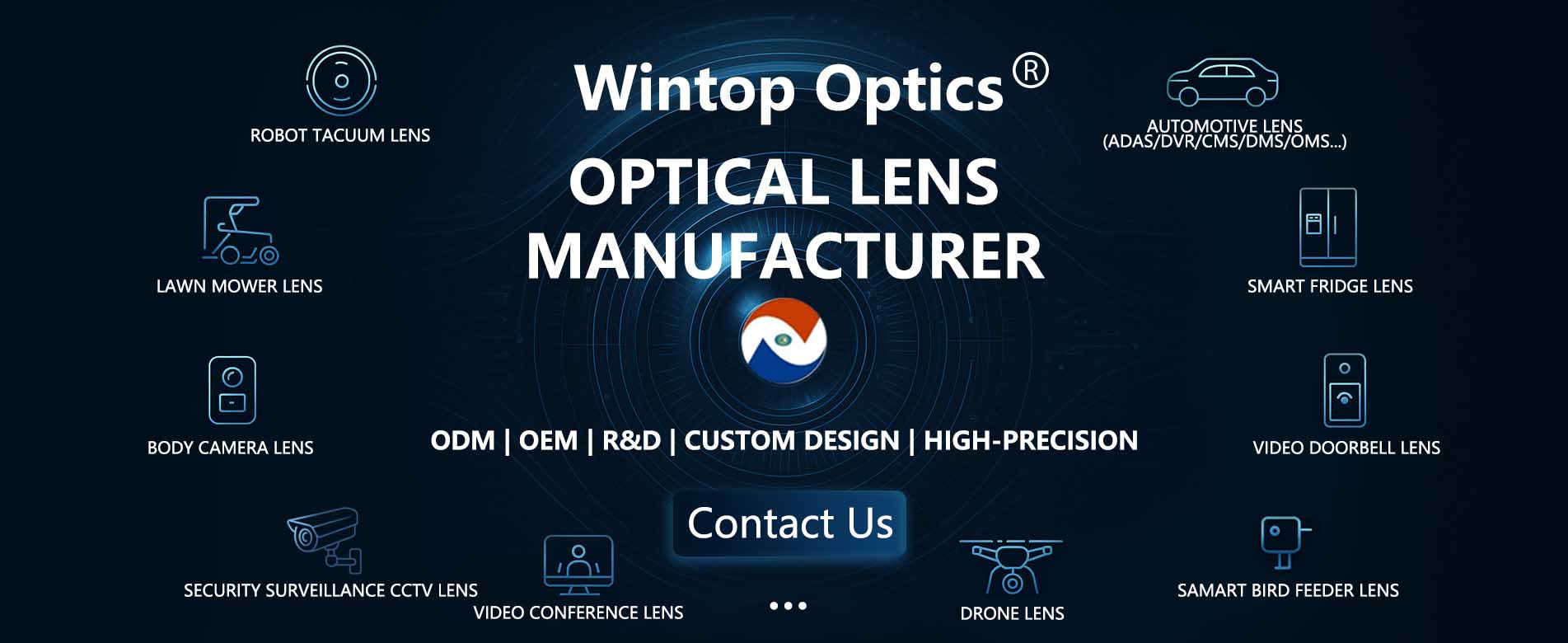
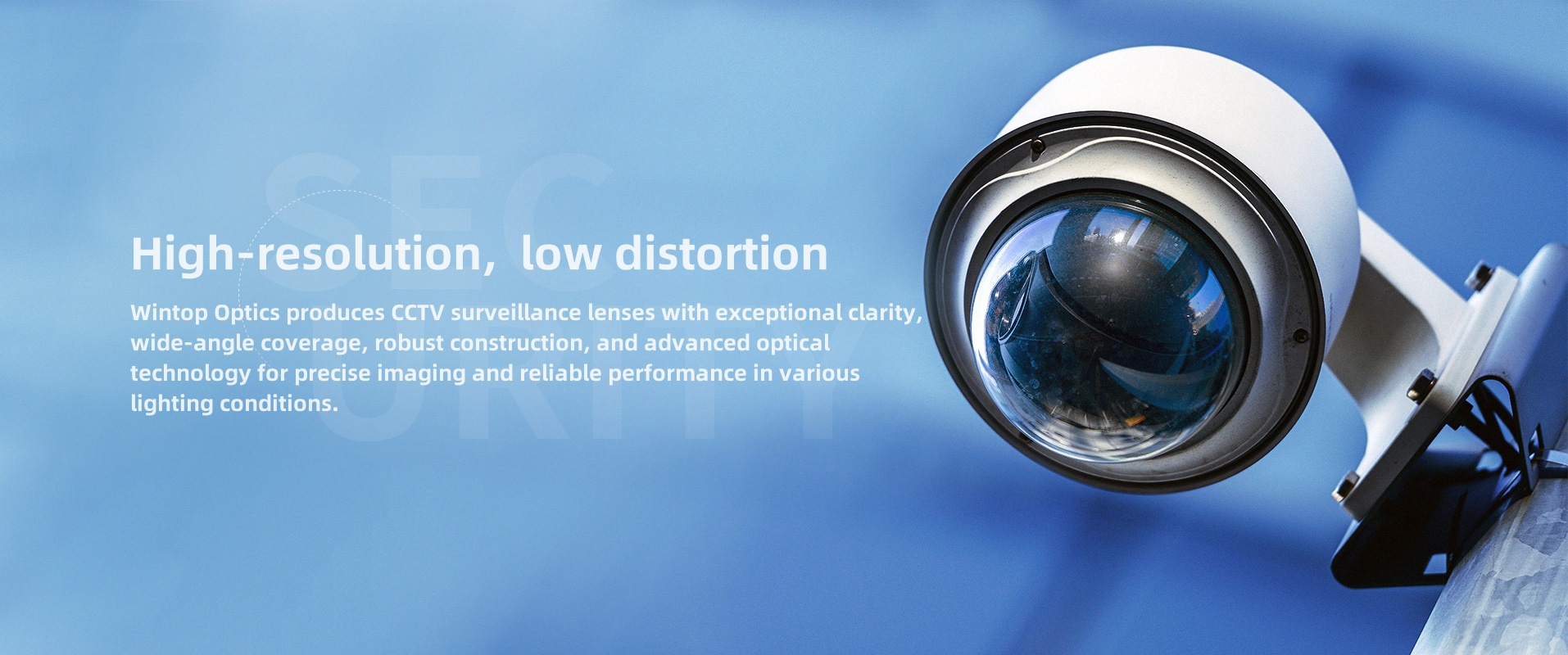
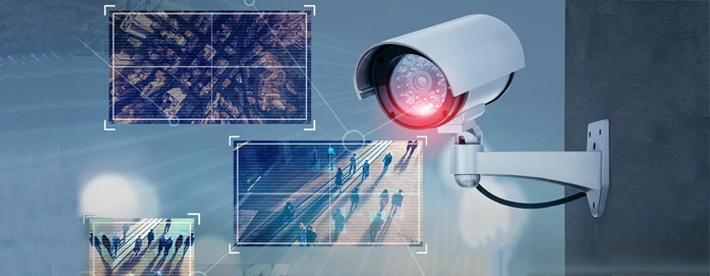
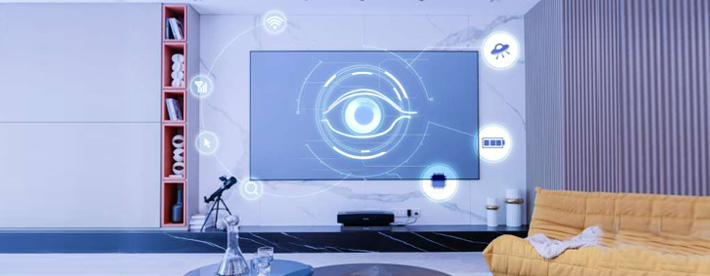
Wintop Opticsは、中国の有名大学の光学コンサルタントと長年にわたり協力関係を築いてきた、独自の光学システム開発・設計チームを擁しています。同社の製品は主に、車載監視カメラレンズ、車載DVRレンズ、車載ADAS/CMS/OMSレンズ、セキュリティ監視CCTVレンズ、スマートホームデバイス用レンズ、低歪みスポーツカメラレンズ、顔認識レンズ、広角魚眼レンズなど、ハイエンドイメージング分野で使用されています。

続きを読む
24時間オンラインサービス 86 153-0268-9906

工場

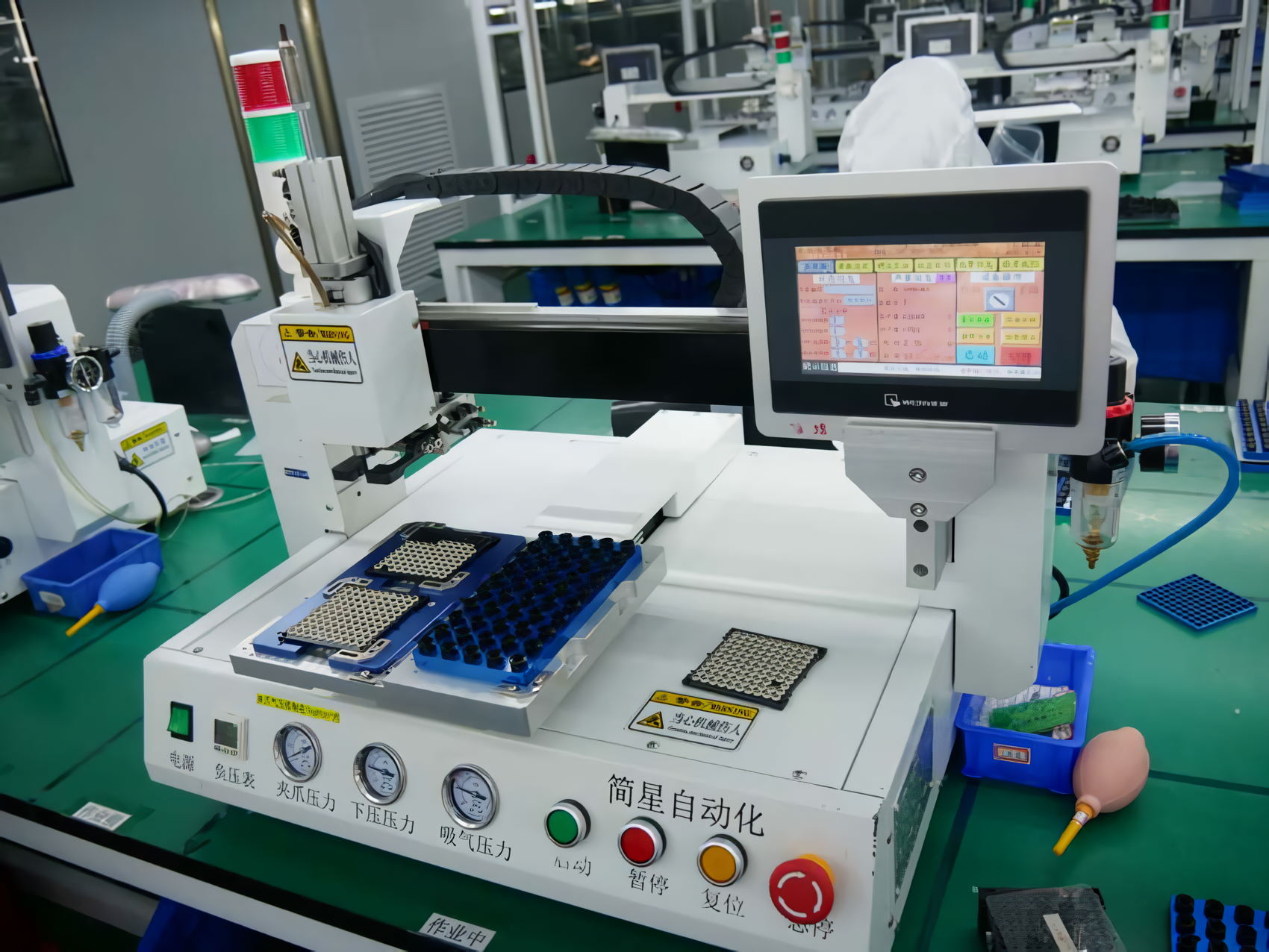
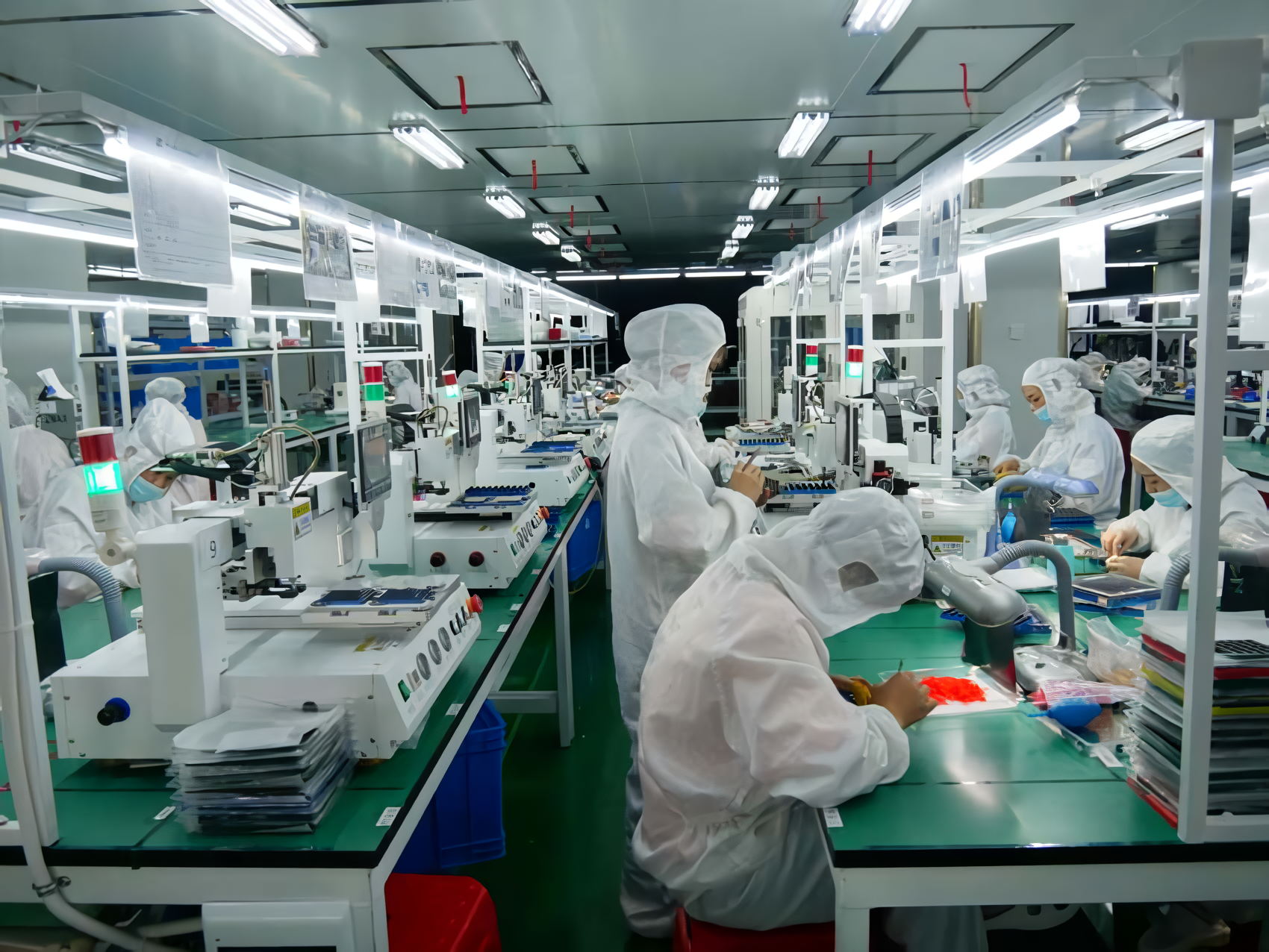
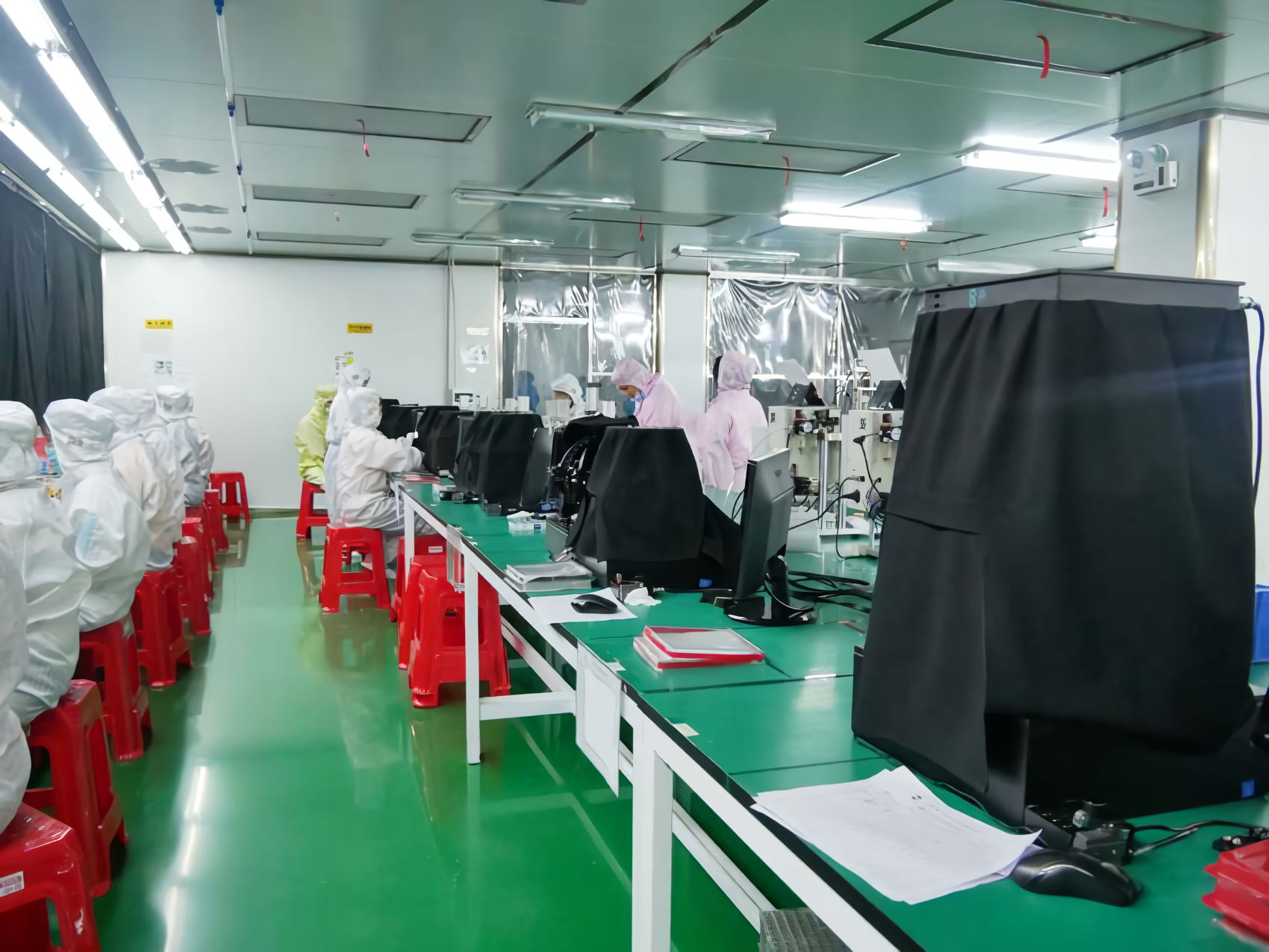
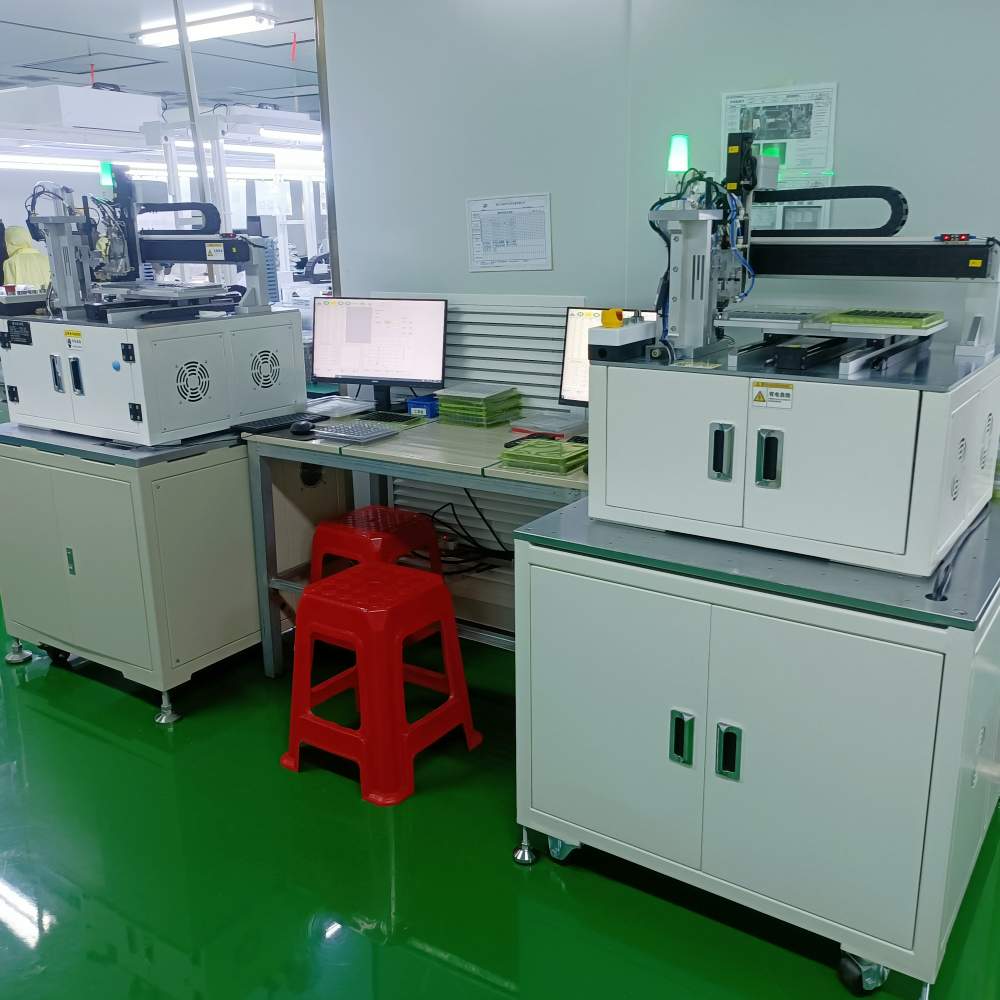
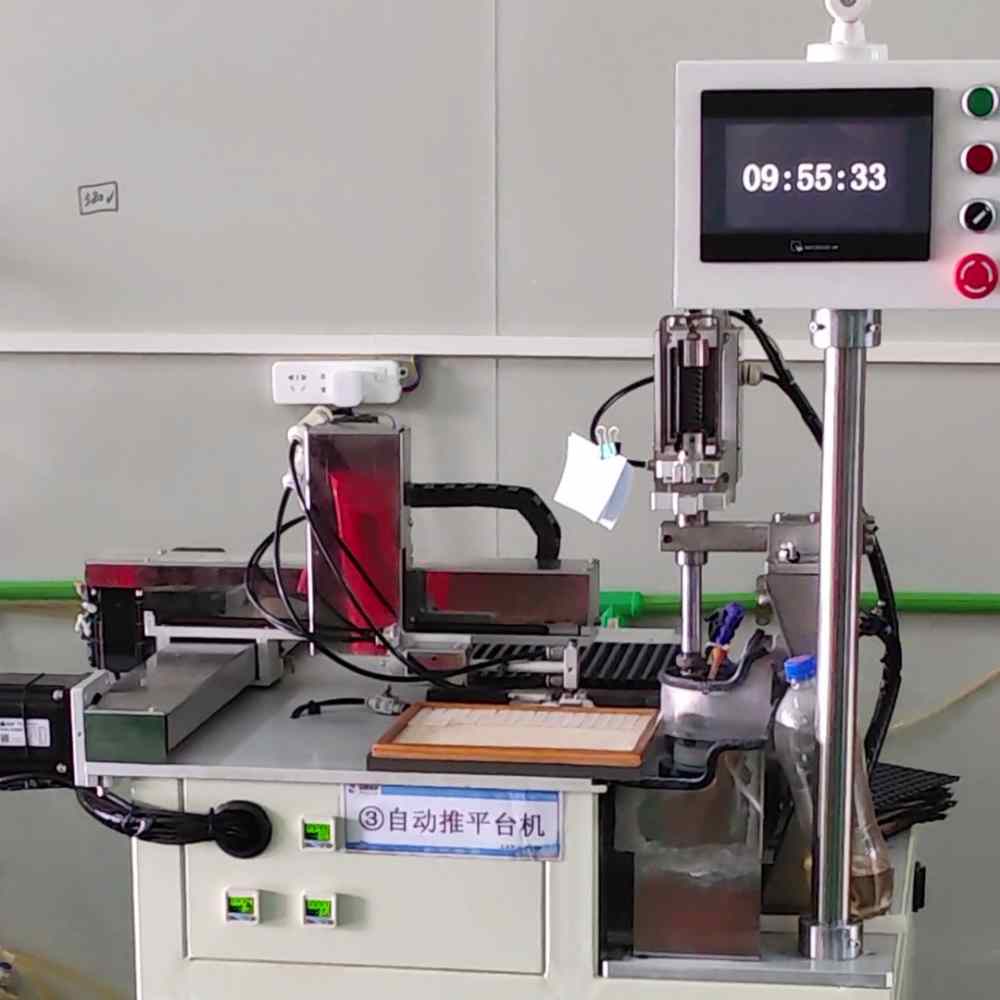
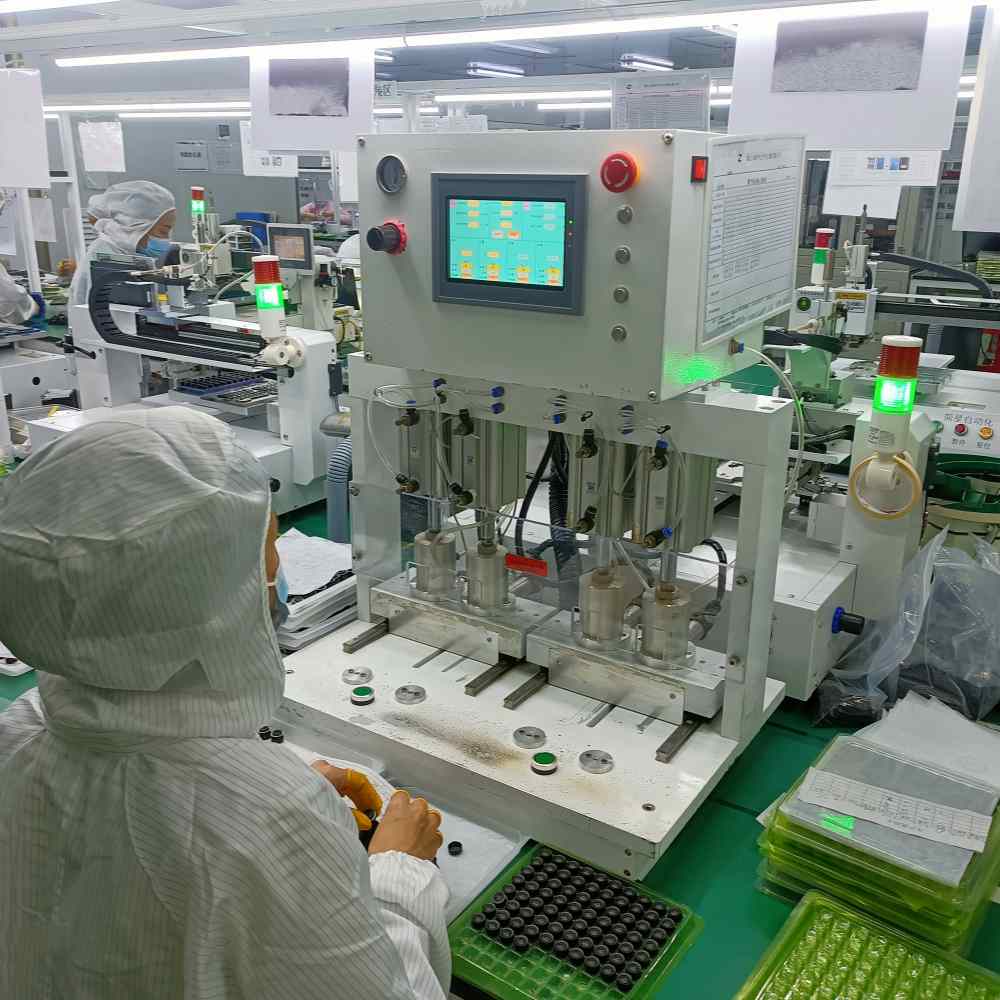
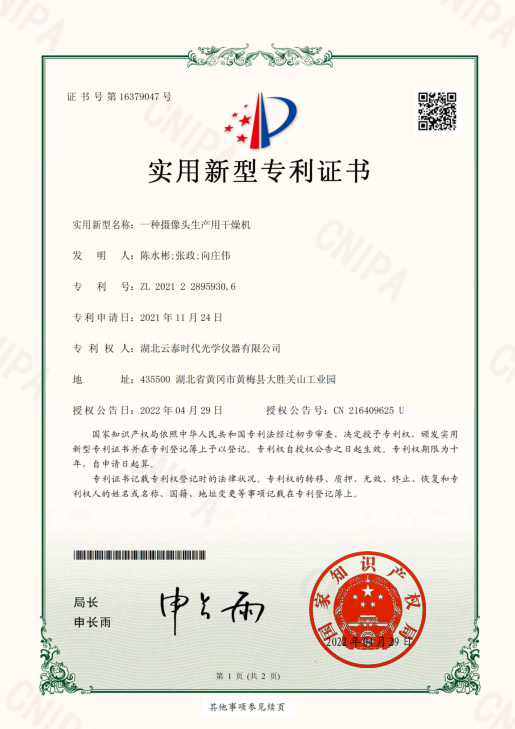
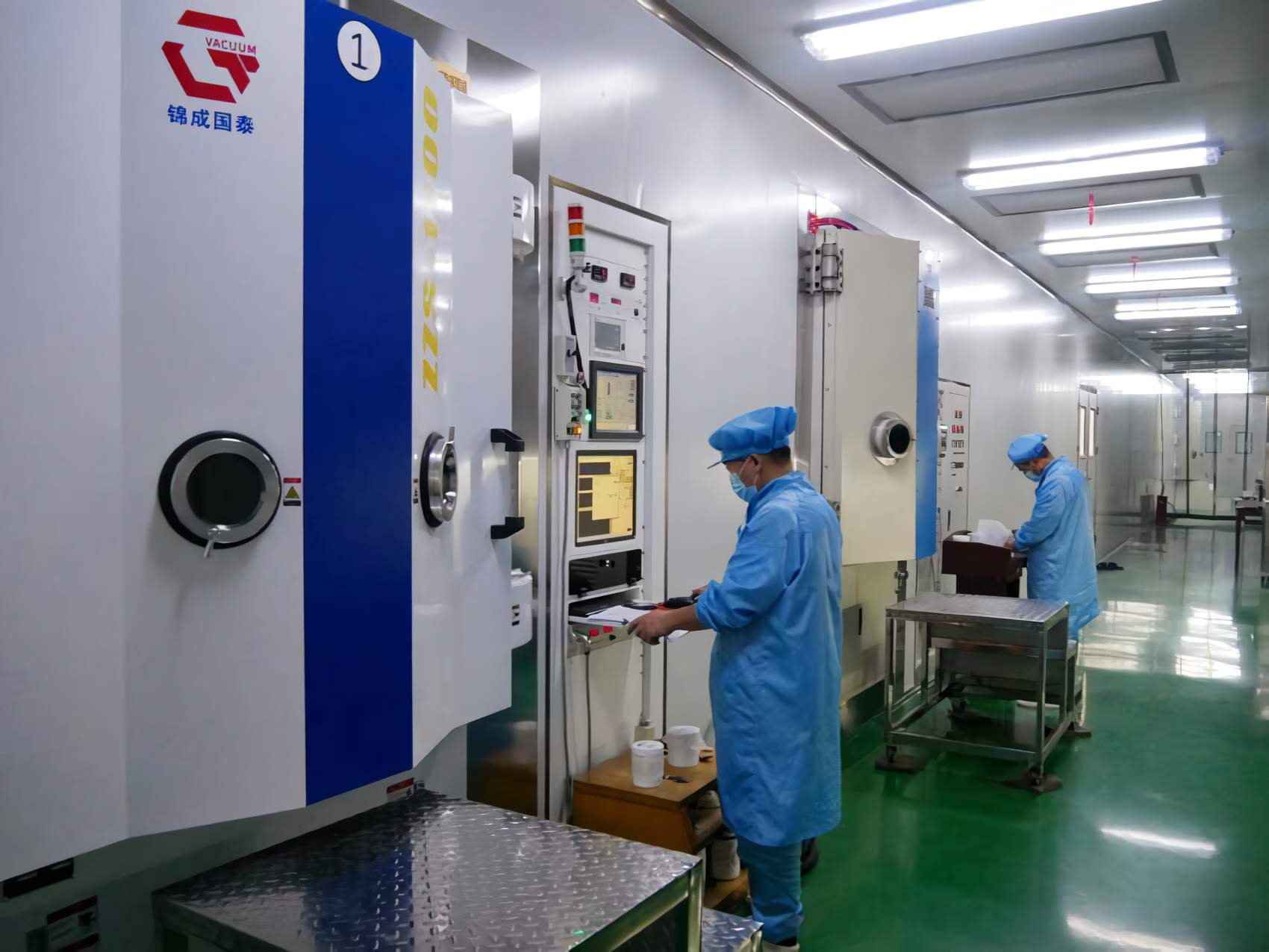
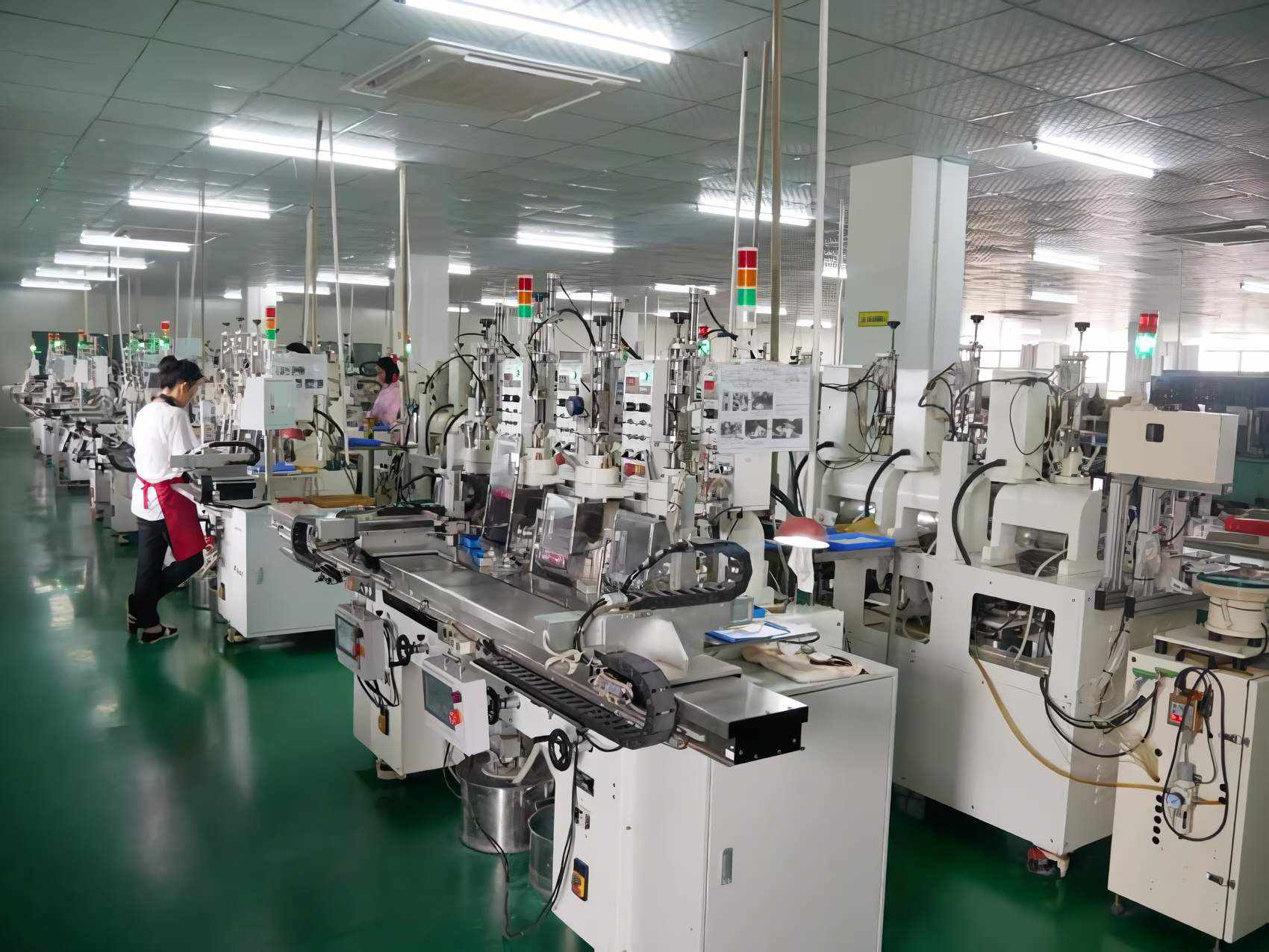
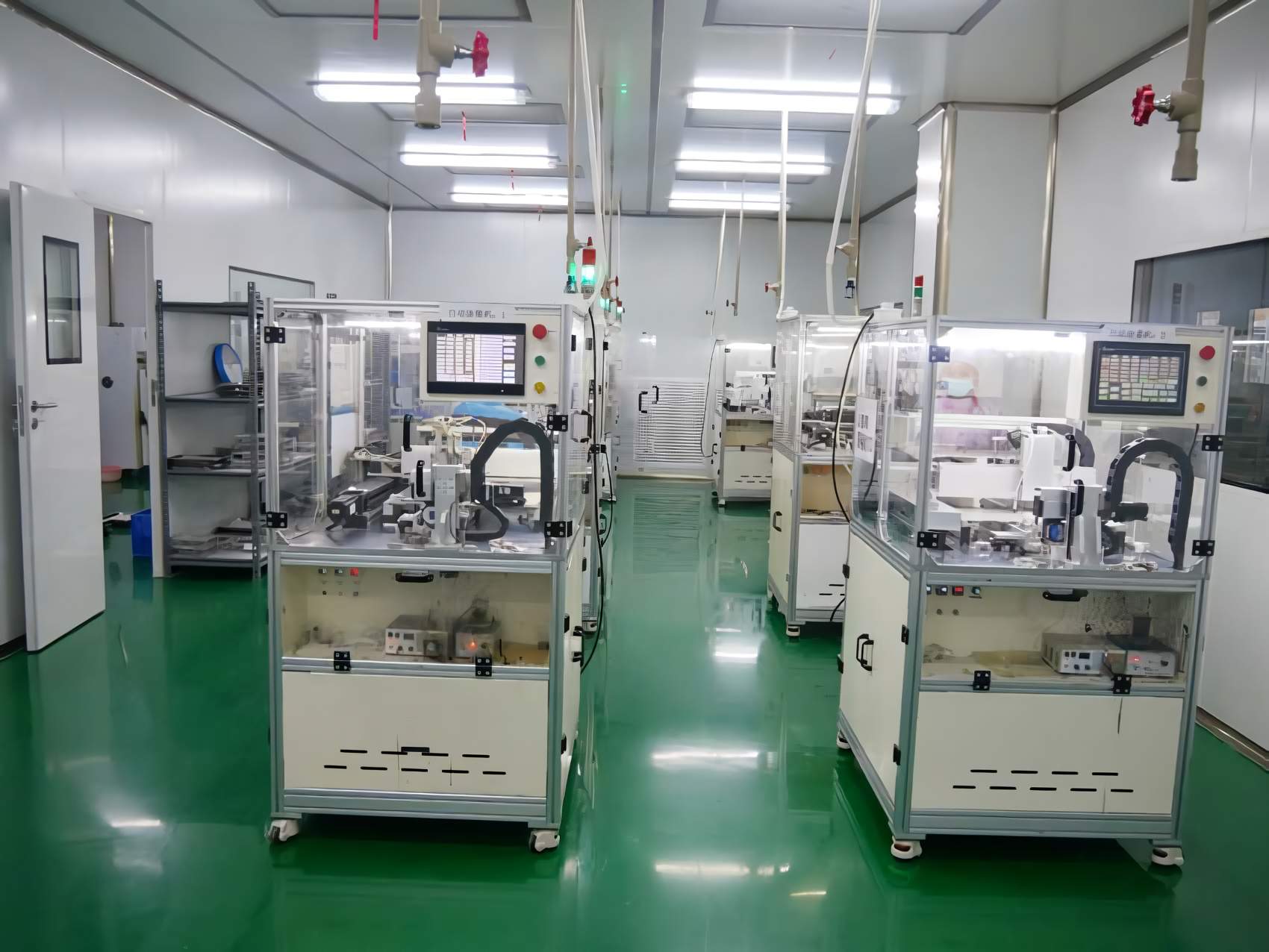
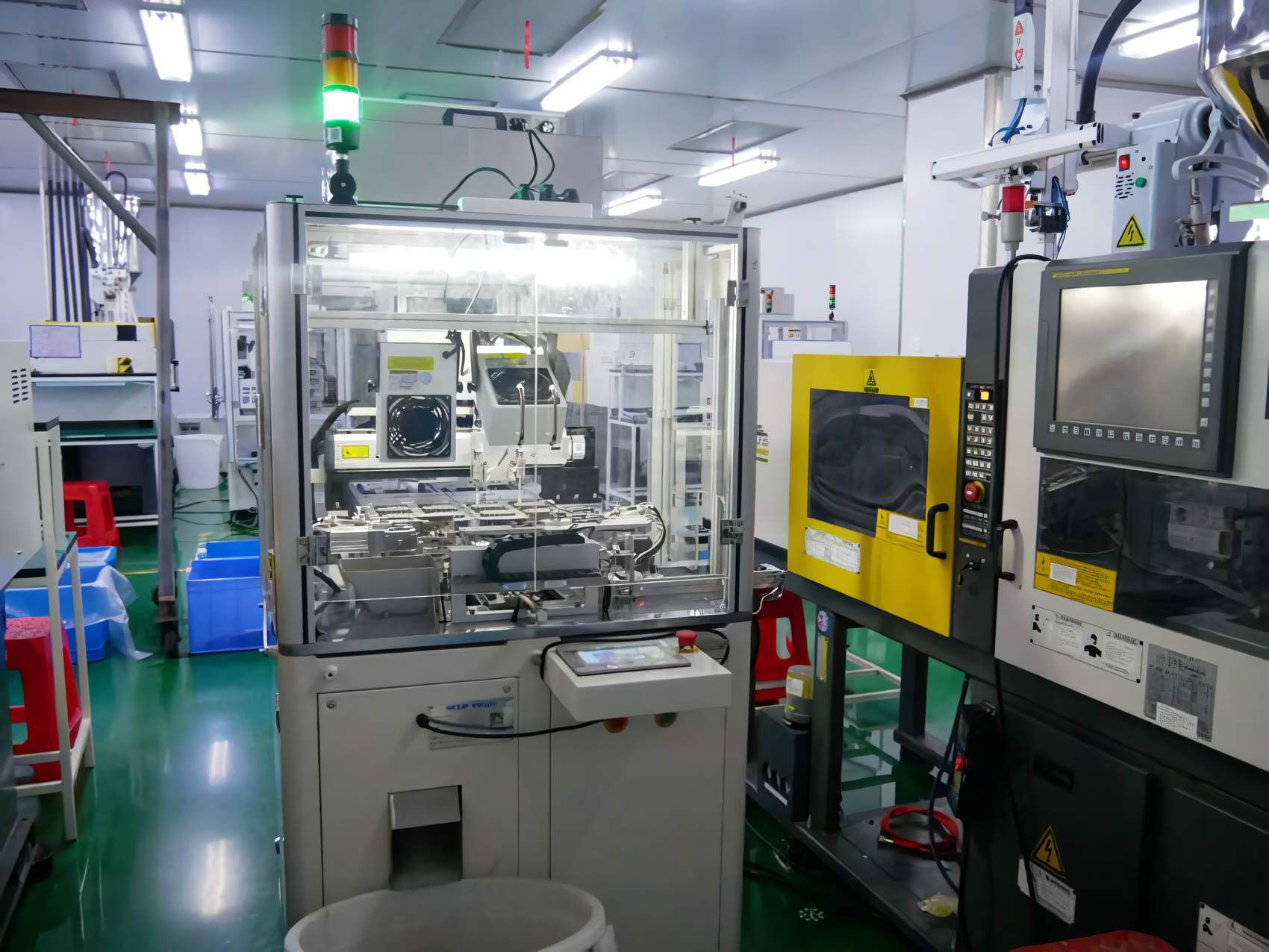
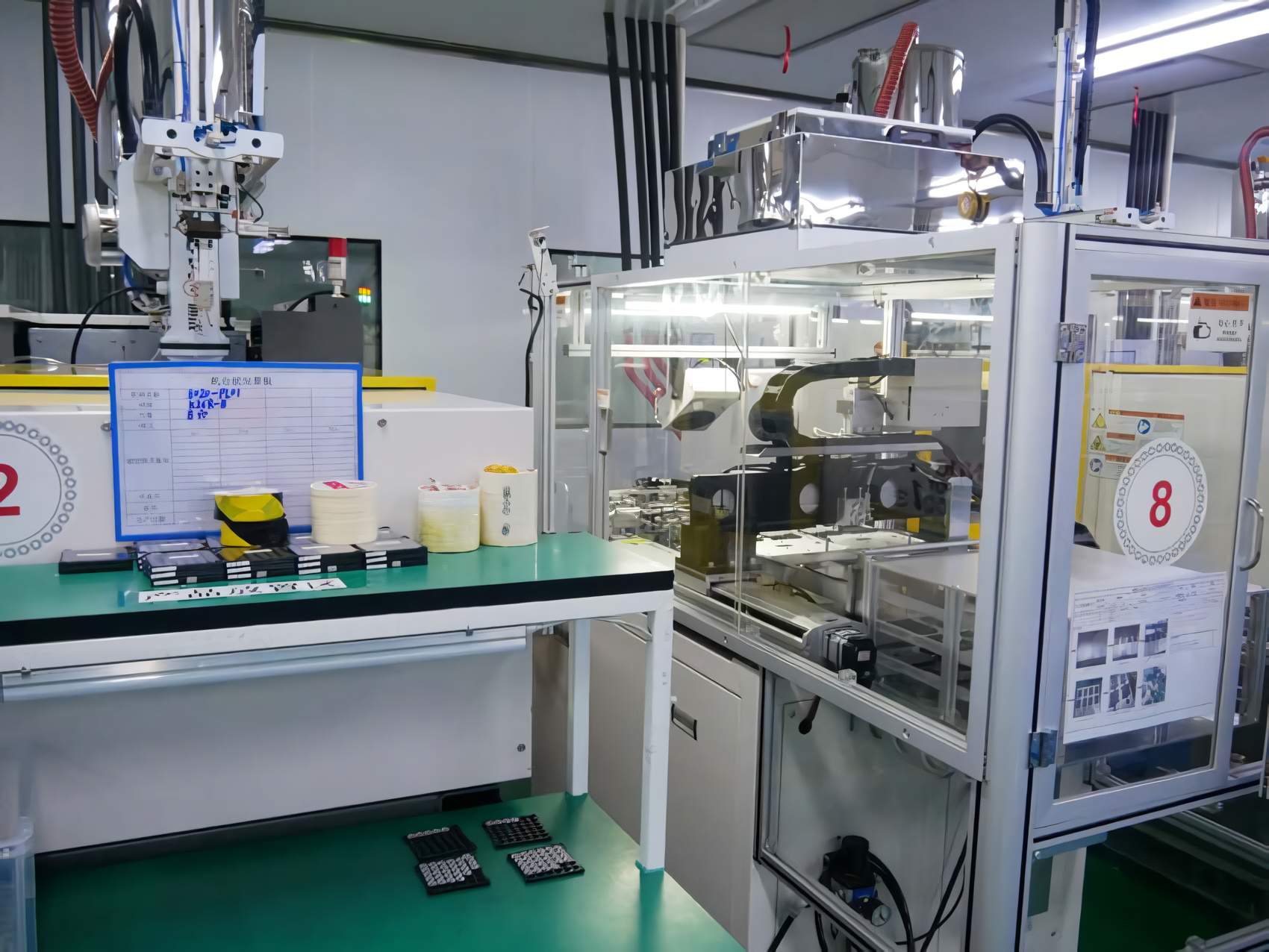
Hubei Factoryは、15,000平方メートルの面積をカバーしています。ガラス粉砕月間出力値は200万個に達し、1000レベルのダストフリーワークショップを備えたレンズアセンブリには、8つの手動組立ラインと10の自動生産ラインがあり、毎月の出力アプローチが200万セットの光レンズを備えています。 Wintop Opticsには、60以上のユーティリティモデル設計特許と200以上のモデルがあり、市場の方向性をリードするために四半期ごとに新製品を継続的に発売しています。

名誉

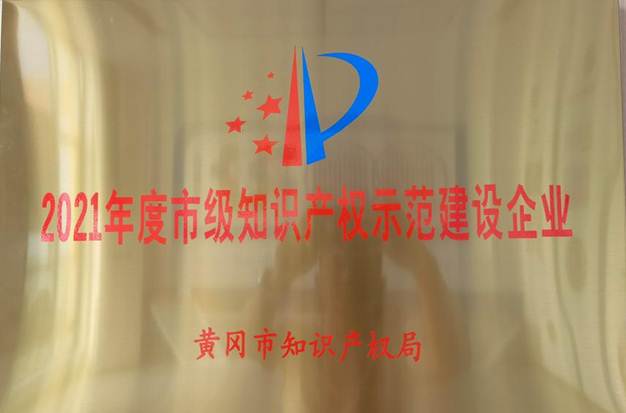
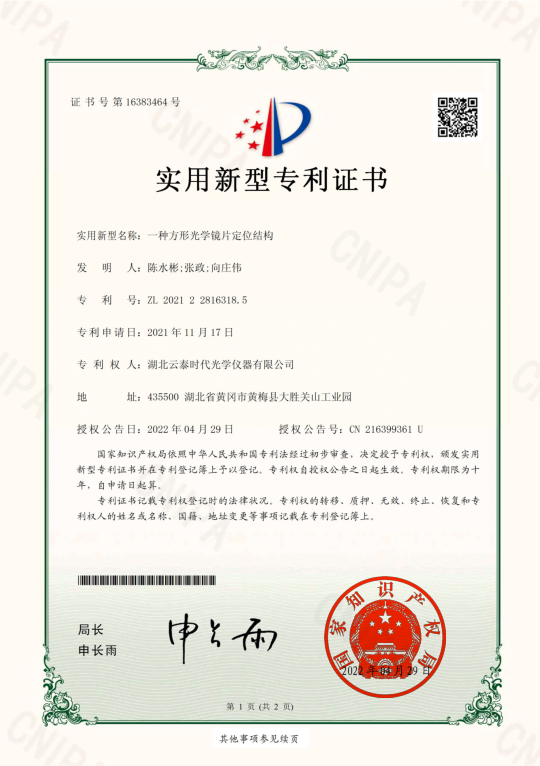
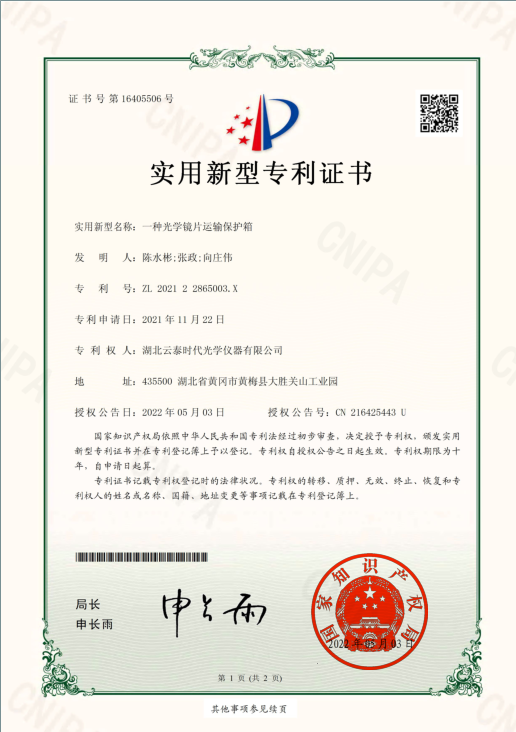
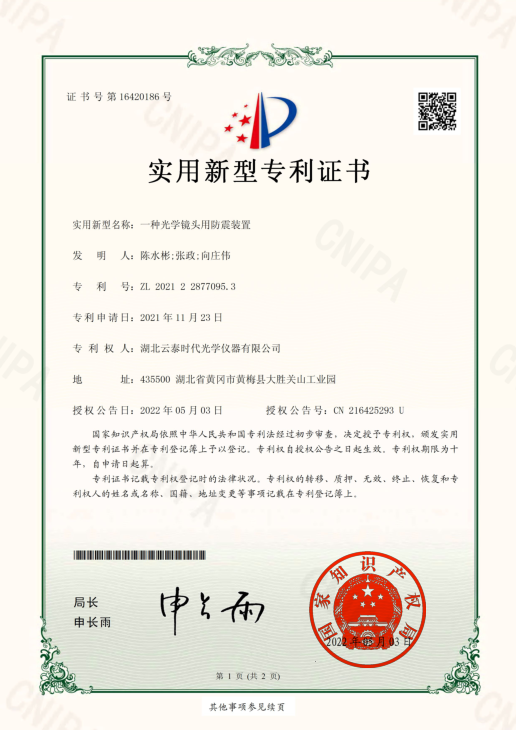
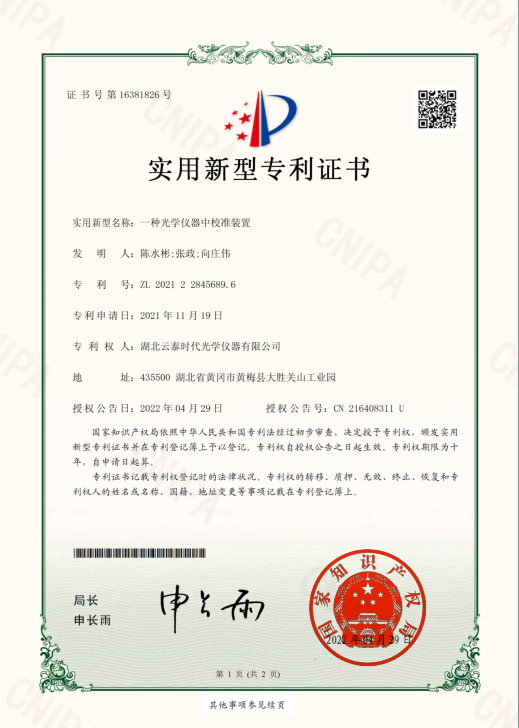
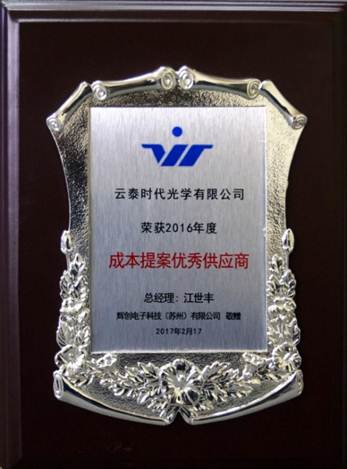
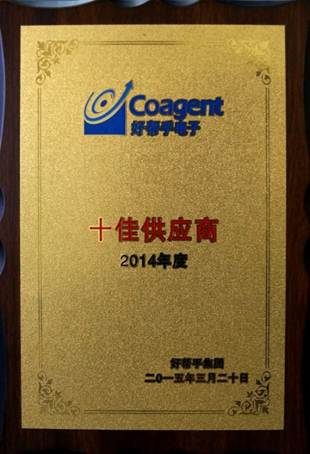
Wintop Optics は TS16949 認証 (国際自動車産業品質管理システム)、ISO9001、ISO14001 を通過しました...  

私たちのパートナー

湖北省工場の敷地面積は15,000平方メートル、ガラス研削の月間生産量は200万個に達し、レンズ組立は1000レベルの無塵工場を備え、8つの手動組立ラインと10の自動生産ラインがあり、月間生産量は200万に達する。光学レンズをセットします。 Wintop Optics は 60 以上の実用新案設計特許と 200 以上のモデルを保有しており、四半期ごとに新製品を継続的に発売して市場の方向性をリードしています。

当社を選ぶ理由

Wintop Opticsは、光学レンズ分野で19年以上にわたり献身的なサービスを提供し、豊富な知識と専門性を蓄積してきました。高品質なレンズを一貫して提供し、卓越したサービスを提供することで、Wintop Opticsは選ばれるレンズサプライヤーとしての地位を確立しています。  

ケースセンター

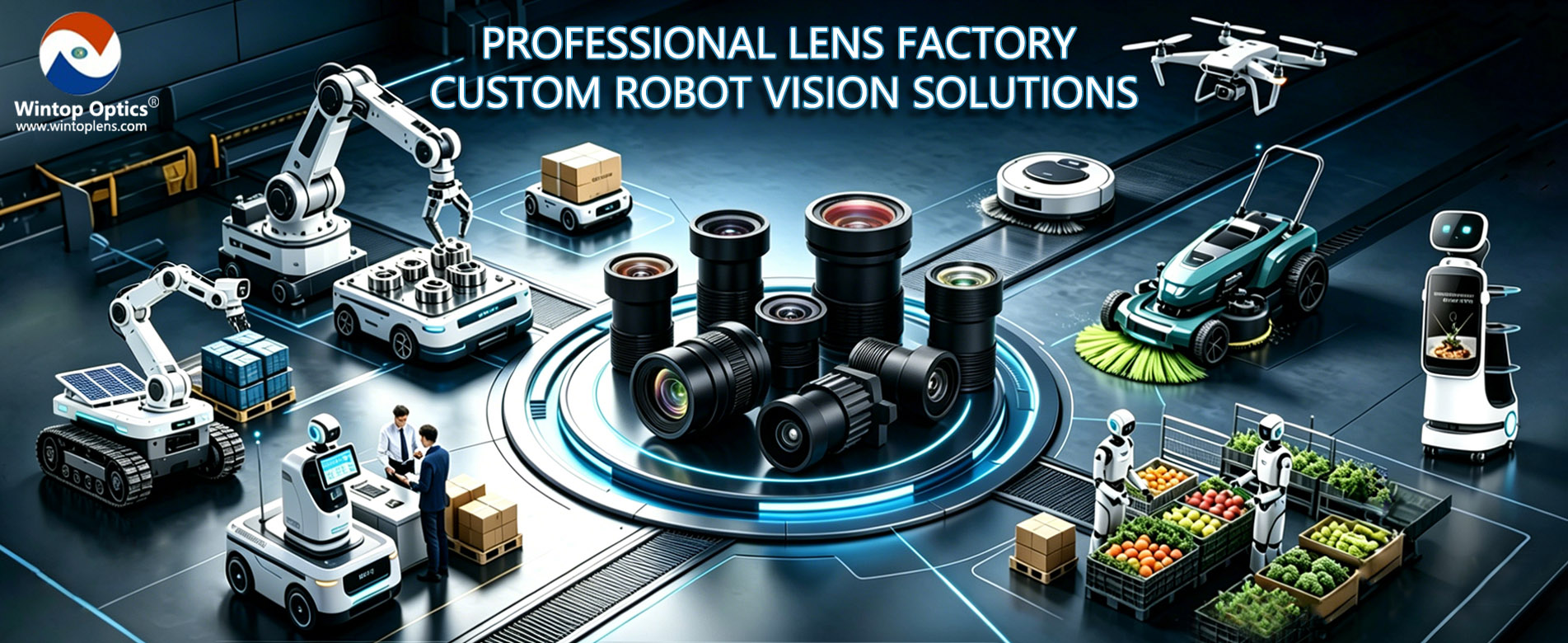
Wintop の R&D テクノロジー チームは、個別の顧客要件に基づいて専門的なソリューションを提供します。2012 年以来、Vtech、iRobot、Jabil、BYD、Holitech などの国内外の有名企業向けに複数のソリューションを導入し、成功を収めてきました。 
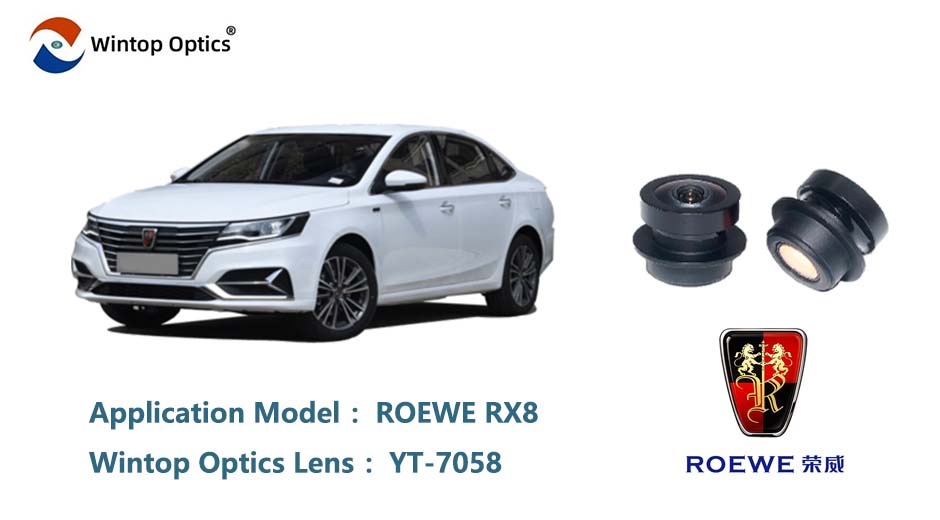
レンズ応用事例12--ROEWE RX8
プロジェクト概要: 上海汽車傘下の主力SUVであるROEWE RX8は、高性能な 360°サラウンドビューシステム鮮明で歪みのないパノラマ画像を実現するために、ROEWEはWINTOP OPTICSを選択しました。 YT-7058 中核光学部品としてパノラマレンズを採用。なぜYT-7058なのか?超広視野角: 最大 200° の水平視野角を実現し、車両周囲の監視に最適です。 低歪み設計: 正確な画像ステッチングを実現し、スムーズなパノラマ表示を実現します。 自動車グレードの信頼性: 高温、振動、防水テストに合格し、IATF 16949 規格に準拠しています。 コンパクトサイズ: 外観デザインに影響を与えることなく、マルチカメラ車両システムに簡単に統合できます。 応募結果: その YT-7058 パノラマレンズ ROEWE RX8 のサラウンドビュー システムは、駐車、車線変更、低速走行時の死角を減らし、ドライバーの安全な視界を向上させます。
続きを読む
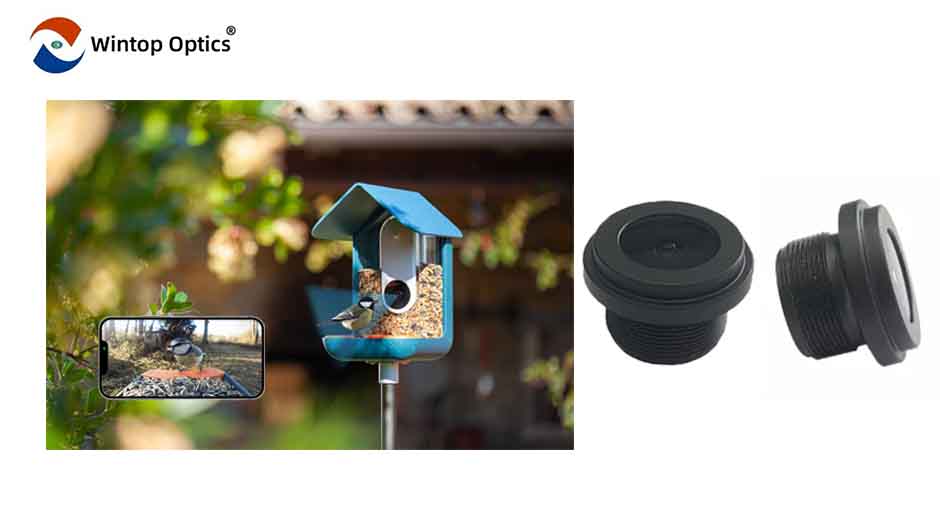
レンズ応用事例11 - スマートバードフィーダー
背景 自然や野生動物の観察への関心が高まるにつれ、庭、バルコニー、屋外スペースでスマートバードフィーダーの人気が高まっています。これらのインテリジェントデバイスは、鳥の餌やりを自動化するだけでなく、内蔵カメラを通して鳥の活動をリアルタイムで観察・記録することもできます。顧客の要件と課題顧客はコンパクトで高品質な 屋外カメラレンズ それは以下を実現できる:  昼夜を問わず鮮明で高解像度の画像  広い視野で広範囲を監視  雨、ほこり、湿気に対する耐性  鳥の餌箱のコンパクトなハウジングに簡単に統合できますWINTOPのカスタムレンズソリューションウィントップ カスタマイズされた 広角赤外線レンズ 1/2.7 インチ センサー用に設計されており、主な機能は次のとおりです。2MP HD解像度で鳥の細部まで鮮明に撮影信頼性の高い夜間視界を実現する赤外線強化構造120°の広角視野で全景を撮影屋外での長期使用に適したIP66定格の耐候性設計プラスチック筐体に簡単に統合できるコンパクトなレンズバレル結果とパフォーマンス大量生産後、クライアントから次のような報告がありました。昼間の鮮明度と細部の認識性に優れています夜間でもブレのない安定した赤外線撮影屋外での長期テストでも曇りや漏れは発生しませんモバイルアプリの画像品質の向上によりユーザー満足度が向上 スマートバードフィーダーカメラシステムにWINTOPのレンズが採用されたことは、AIoTおよびスマートホームデバイス向け光学ソリューションにおける当社の専門知識を証明するものです。私たちは、世界中のイノベーターを継続的に支援していきます。 カスタムレンズソリューション スマートで接続されたテクノロジー向け。スマートデバイス用の高性能レンズにご興味がおありですか?今すぐお問い合わせください。
続きを読む
レンズ応用事例10 - Haima
ウィントップオプティクス、国内有数の 自動車用光学レンズソリューションプロバイダー光学設計と精密製造の専門知識を活かしてYT-7009を開発しました。 超広角レンズ次世代AVMシステムに最適化されています。ユーザーエクスペリエンスを重視する中国の自動車メーカー、海馬汽車は、YT-7009を同社の新主力モデルのサラウンドビューシステムの「目」として採用しました。Wintop YT-7009レンズ:技術的ハイライトと革新YT-7009 は、AVM の主要な問題点を解決する体系的なイノベーションを実現します。優れた低照度性能:高透過率ナノコーティング(光透過率95%以上)を採用し、迷光を抑えます。大判・高感度センサーに対応し、月明かり下でもクリアでノイズの少ない画像を実現します(
続きを読む
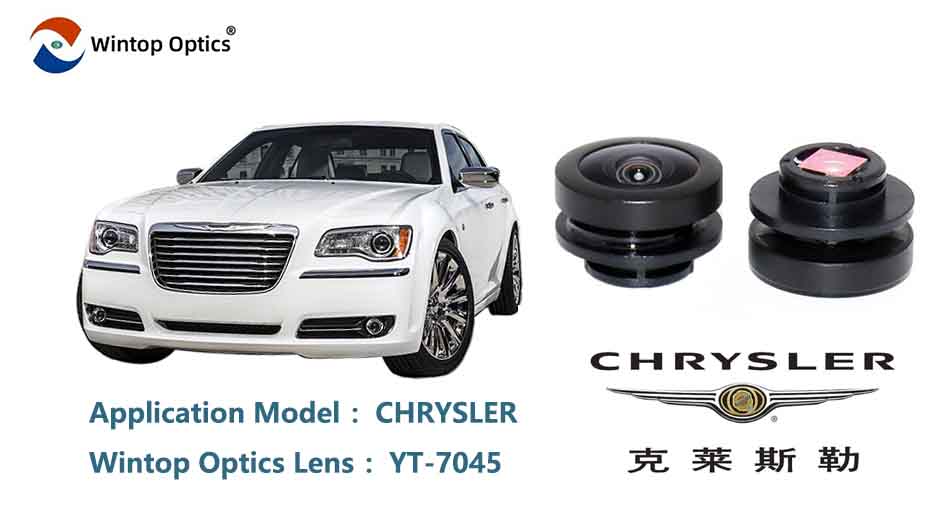
レンズ応用事例09--クライスラー
車両の安全性と運転支援技術が進化を続ける中、高解像度のリアビューカメラシステムは現代の自動車の標準装備となっています。18年以上にわたる光学製造の専門知識を活かし、 ウィントップオプティクス 自動車メーカーに信頼性の高い高性能を提供します レンズソリューション当社の主力製品の一つであるYT-7045レンズは、クライスラー社のリアビューカメラシステムに採用され、厳しい条件下でも鮮明な画質と堅牢な性能を実現しています。プロジェクトの背景 クライスラーは、特に低照度および広角視野角環境下において、画像の鮮明度を向上させ、歪みを最小限に抑えることで、バックシステムの安全性とユーザーエクスペリエンスを向上させたいと考えていました。これらの要件を満たすため、Wintopは、車載リアビューアプリケーション向けに最適化されたコンパクトな広角レンズであるYT-7045を提供しました。レンズのハイライトYT-7045 レンズはリアビュー カメラ システム用に特別に設計されており、次のような利点があります。  広い視野: 水平視野角 200° のレンズにより、後方の視界が広範囲に確保され、後退時や駐車時の死角が大幅に減少します。  低歪み設計: 精密光学系を採用し、エッジの歪みを最小限に抑え、リアディスプレイ画像の精度を向上させます。  高画質: 最大 2 メガピクセルの解像度をサポートし、高透過率コーティングを採用しているため、暗い場所でも優れた光感度と細部のキャプチャを実現します。  自動車グレードの信頼性: 自動車グレードの標準に完全に準拠しており、-40°C ~ +85°C の極端な温度でも安定したパフォーマンスを発揮します。  コンパクトな機械構造: レンズの直径はわずか Φ12.9mm なので、コンパクトなリアビュー カメラ モジュールにシームレスに統合できます。顧客からのフィードバッククライスラーのエンジニアリング チームは、レンズの光学品質と堅牢な環境性能に非常に満足していると述べています。「WintopのYT-7045レンズは、まさに私たちが求めていたもの、つまり広角で鮮明、そして歪みのない後方視界を提供してくれました。様々な状況下で安定した性能を発揮し、当社の車両プラットフォームにおいて信頼できるコンポーネントとなりました。Wintopの技術協力と迅速なサポートに感謝しています。」結論 YT-7045レンズがクライスラーのリアビューカメラシステムに採用されたことは、自動車業界に最先端の光学ソリューションを提供するというWintopのコミットメントを反映したものです。私たちは今後も革新を続け、車両の安全性とドライバーの自信を高める信頼性の高いイメージングコンポーネントを提供していきます。
続きを読む
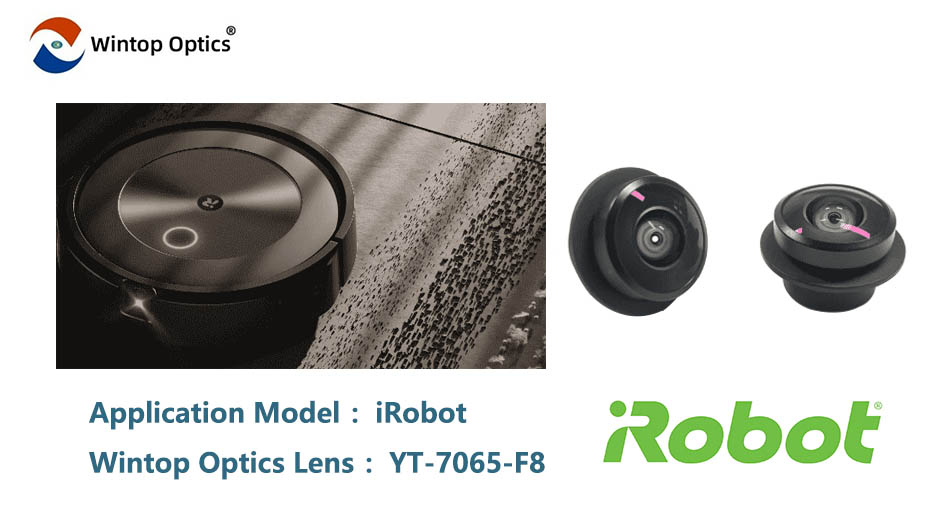
レンズ応用事例08 - iRobot 掃除ロボット
スマートホーム技術の急速な発展に伴い、掃除機ロボットは家庭の必需品の一つとなっています。ロボット掃除業界のパイオニアであるiRobotの掃除機ロボットは、掃除の方法を根本的に変えるだけでなく、効率的な消費者に、より便利な家庭体験をもたらします。人工知能(AI)とモノのインターネット(IoT)のさらなる発展に伴い、iRobotの掃除機ロボットは単なる掃除機器からスマートホームの管理者へと進化を遂げています。iRobotのプロジェクトはすべて、Wento Opticsが開発したYT-7065-F8レンズを採用しており、顧客の家庭掃除に特化した掃除機ロボットの開発における同社の貢献を際立たせています。iRobot掃除機用レンズは、家の隅々まで見守る先進的な掃除機の一部です。iRobotのスイーピングロボット用レンズは、床のあらゆる汚れに焦点を合わせ、お客様のご自宅を清潔に保ちます。Wintop OpticsのYT-7065-F8レンズは、iRobot掃除機プロジェクトに採用されています。YT-7065-F8
続きを読む
レンズ応用事例07--芝刈り機
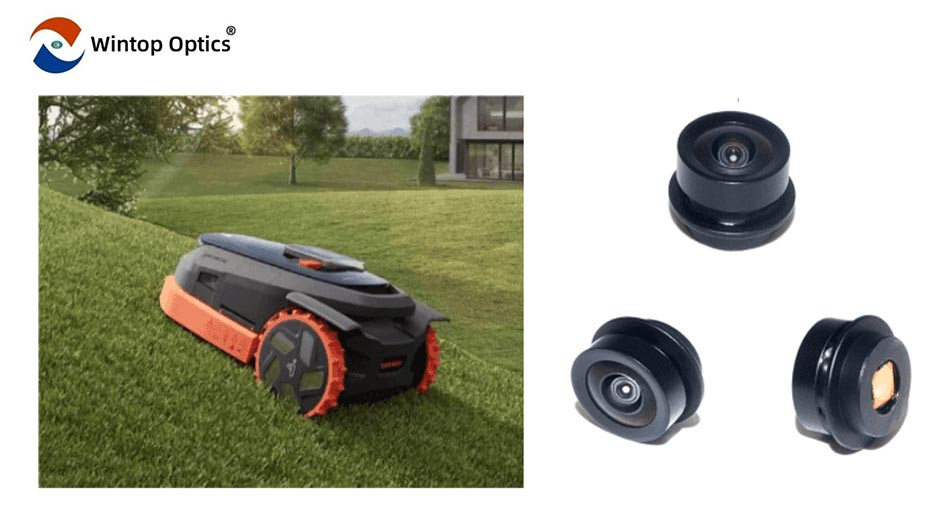
芝刈り機にレンズを取り付けることで、ユーザーエクスペリエンスと操作精度が向上します。芝刈り機にレンズを取り付けることで、ユーザーは以下のメリットを得ることができます。インテリジェントな経路計画: レンズは周囲の環境を撮影することができ、 高解像度機能 画像認識アルゴリズムを駆使し、最適な芝刈り経路を決定します。芝刈り機は画像内の障害物を分析して回避できるため、芝刈りの効率と精度が向上します。まるでレンズを備えたスマートロボットのような驚くべき機能です。花壇を傷つけたり、通行中の子供に怪我をさせないようにしてください。 レンズからのリアルタイム画像フィードバックにより、芝刈り機は花壇、石、人の位置を検知し、それらを傷つけないように刈り取り経路を調整します。このような機能に惚れ込まないわけにはいきません。 安全なカメラレンズ刈り取り高さの自動調整: カメラレンズは M12銃剣 芝生の実際の状況をモニタリングし、芝生の成長とユーザーが設定した希望の高さに応じて、芝刈り機の刈り取り高さを自動調整します。これにより、芝刈り機はさまざまなエリアや芝生の長さに合わせて適応的に刈り込みを行い、芝生を清潔で均一に保ちます。障害診断とメンテナンスのヒント: レンズは芝刈り機の稼働状態や部品の状態を撮影し、その画像データをユーザーやメンテナンス担当者に送信します。これらの画像データを分析することで、潜在的な故障やメンテナンスの必要性を事前に検知し、適切なタイミングで対策を講じることで、芝刈り機の信頼性と寿命を向上させることができます。全体的に、芝刈り機にレンズを適用すると、画像認識やリアルタイムフィードバックなどの技術を通じて、インテリジェントな経路計画、損傷回避、芝刈り高さの自動調整、トラブル診断やメンテナンスのヒントなどのソリューションが提供され、芝刈り機の性能と体験が向上します。 
続きを読む
レンズ応用事例06--LEAPMOTOR
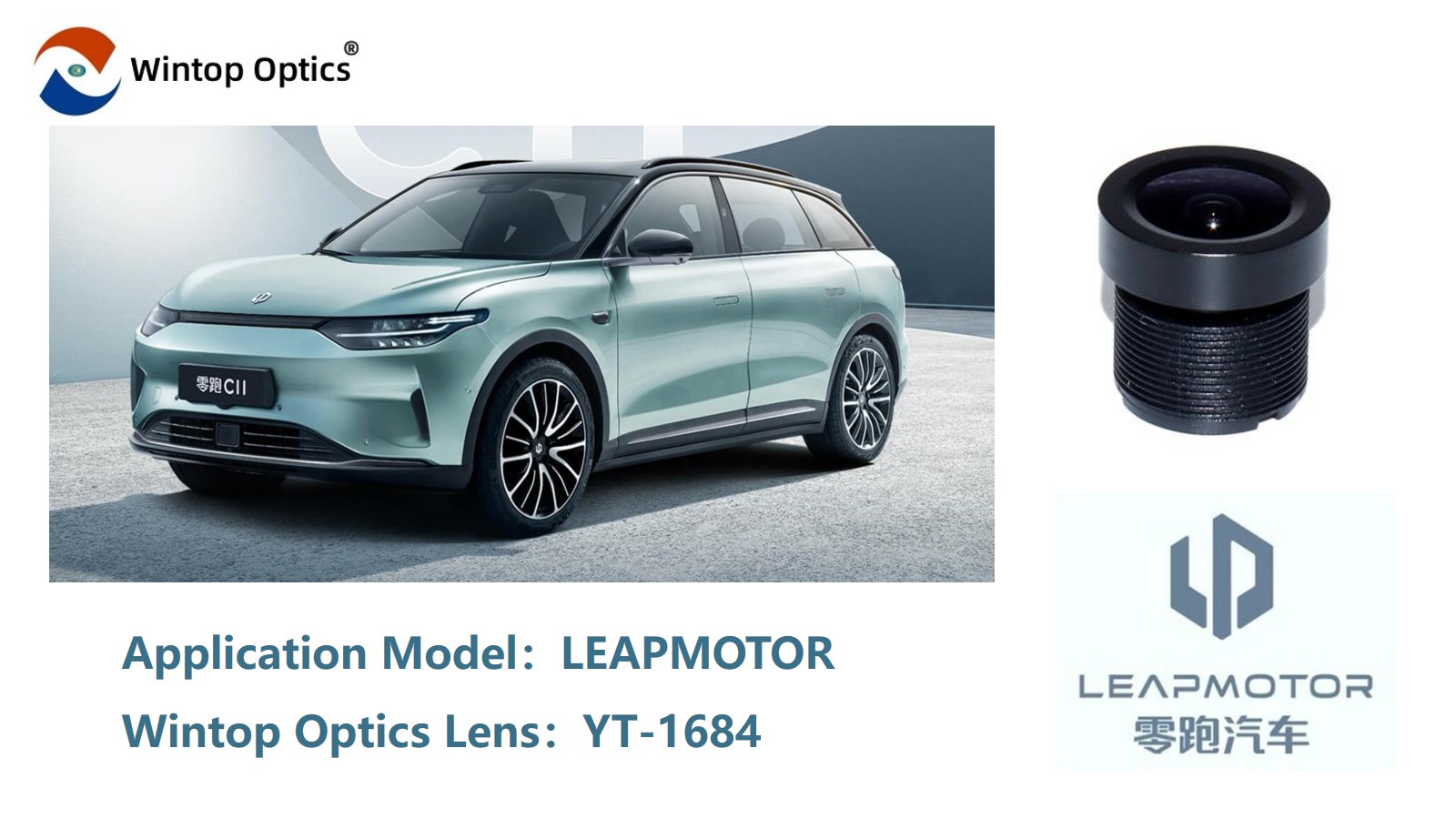
LEAPMOTORにおけるWintop Optics DVRレンズYT-1684の適用成功   自動車の安全性とスマートテクノロジーの分野では、 ウィントップオプティクス は、優れた光学製品、特に撮像レンズで知られています。 YT-1684 車載カメラレンズ革新的な ドライブレコーダーレンズ Wintop Optics の革新的な技術は、車両のインテリジェント監視システムを強化するために LEAPMOTOR 車にうまく適用されました。   製品の特徴: 高解像度: YT-1684 DVR レンズは高品質の光学ガラスを採用しており、鮮明な画像と真の色彩を保証します。 広角視野:100度以上の広角視野を提供し、運転状況を鮮明に記録します。 耐久性: 車載カメラのレンズは耐久性に優れ、さまざまな厳しい気象条件に耐えられるように設計されています。   LEAPMOTORケース: LEAPMOTORは、新エネルギー車のリーディングメーカーとして、ハイテクでインテリジェントな運転体験を提供することに尽力しています。Wintop Opticsとの提携により、 レンズメーカーLEAPMOTOR は、YT-1684 車載 DVR レンズを自社の生産モデルに統合しました。   成功要因: 安全性のアップグレード:YT-1684の高解像度と超広角視野 ダッシュカムのレンズ 運転の安全性が大幅に向上し、ドライバーが周囲の状況をより適切に監視できるようになります。 インテリジェントな統合: カメラは LEAPMOTOR 車のインテリジェントな運転支援システムとシームレスに統合され、リアルタイムの道路状況分析と早期警告を提供します。 ユーザーからのフィードバック: ユーザーはYT-1684のパフォーマンスに非常に満足しています。 車載DVRレンズ特に道路状況の記録における鮮明な画像性能が優れています。   市場への影響: YT-1684レンズの導入は、LEAPMOTORの市場競争力を高めるだけでなく、自動車業界全体の技術進歩を促進します。Wintop Opticsと リープモーター スマートカー技術の発展における画期的な出来事とみなされています。   今後の展望: 自動運転やV2E技術の発展に伴い、Wintop OpticsのYT-1684車載DVRレンズは、将来の車両安全・監視システムにおいてより大きな役割を果たし、ドライバーにより包括的でインテリジェントな運転体験を提供することが期待されています。  
続きを読む
レンズ応用事例05--FAW Jiefang
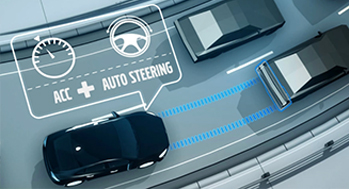
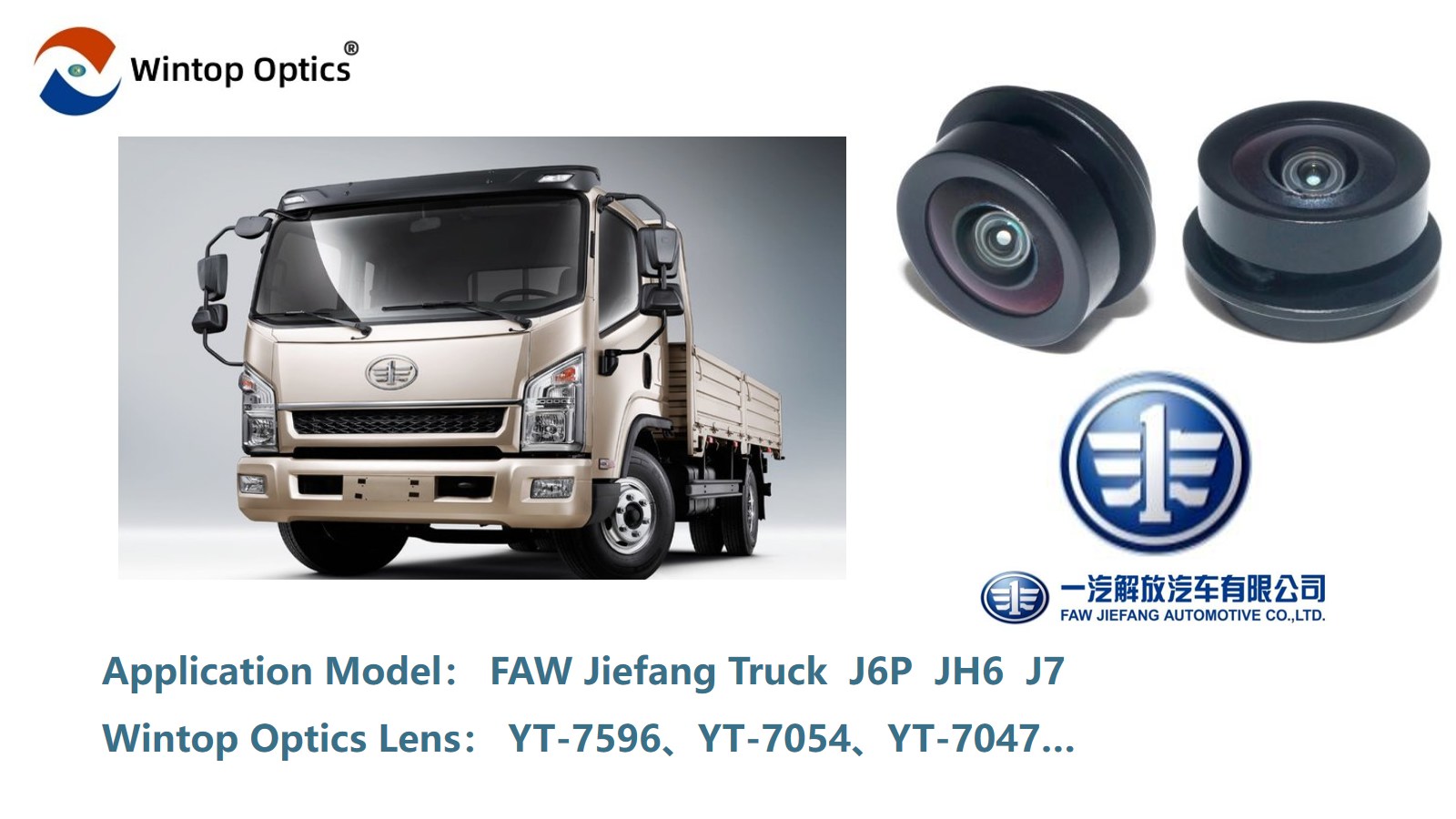
FAW JiefangはWintop Opticsの複数のモデルを活用しています。 車のバックミラーレンズ YT-7596、YT-7054、YT-7047をはじめとするサラウンドビューレンズも提供しています。これらのアプリケーションは、Wintop製品群の汎用性と様々な自動車用途への適合性を示しており、車両の後方視界およびサラウンドビジョン機能を強化します。リアビューレンズやサラウンドビューレンズを含む様々なカメラレンズの応用は、大型トラック輸送の安全性と効率性を高める上で重要な役割を果たします。ブラインドスポットモニタリングレンズこれらのレンズは先進運転支援システムの一部です(ADASレンズ)は、特に車線変更時にトラックの死角を監視するシステムです。ドライバーにリアルタイムで警告を発することで、これらのシステムは道路上の安全性を大幅に向上させます。死角監視システムに使用されるレンズは、通常、高解像度で、必要なエリアをカバーできる広い視野角を備えています。アダプティブクルーズコントロール(ACC)とレーンキープアシスト(LKA)レンズ:これらのレンズは、安全な車間距離を維持し、トラックを車線内に維持するシステムで使用されます。これらのレンズには、先行車の速度と位置を検知する高度なセンサーが搭載されており、トラックは状況に応じて速度を調整します。
続きを読む
レンズ応用事例04--マグナ
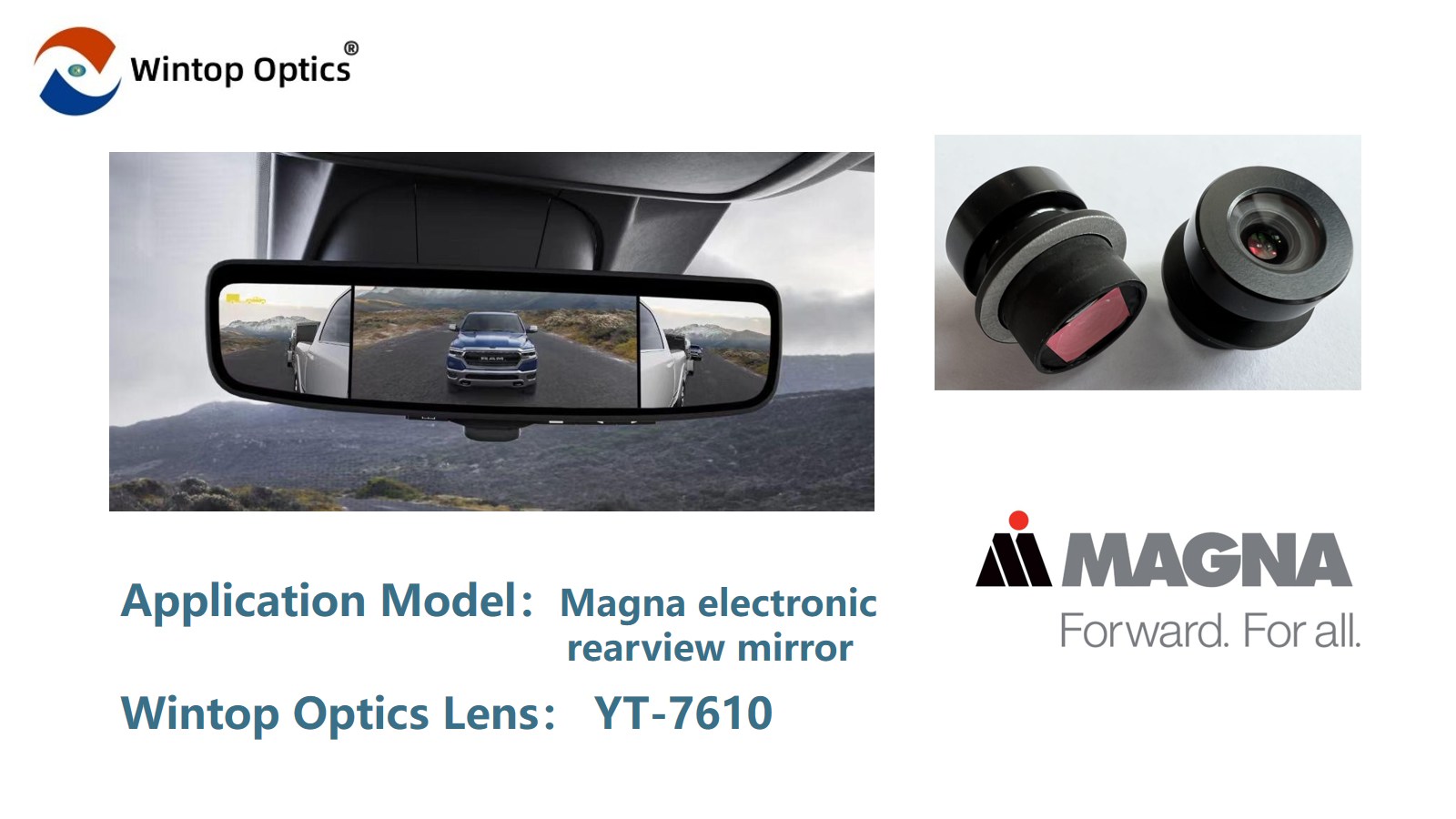
Wintop OpticsのYT-7610モデル ADASレンズ マグナのサイドビューおよびADAS(先進運転支援システム)プロジェクトにWintopが選定されました。このパートナーシップは、車両の安全性と運転支援を向上させる高度なシステム開発を支えるレンズを提供できるWintopの能力を証明するものです。自動車用サイドビューレンズ 死角検知や車線変更支援に使用され、ドライバーに隣接車線の明確な視界を提供します。 電子バックビューレンズ アダプティブクルーズコントロール、車線逸脱警報、衝突回避システムといった様々な安全機能に不可欠な要素です。カメラとセンサーを用いて車両の周囲情報を収集します。Wintop Optics社のYT-7610モデルレンズは、マグナのサイドビューおよびADASプロジェクトに採用され、これらの先進システムをサポートするレンズの性能を実証しました。
続きを読む
レンズ応用事例03--AITO
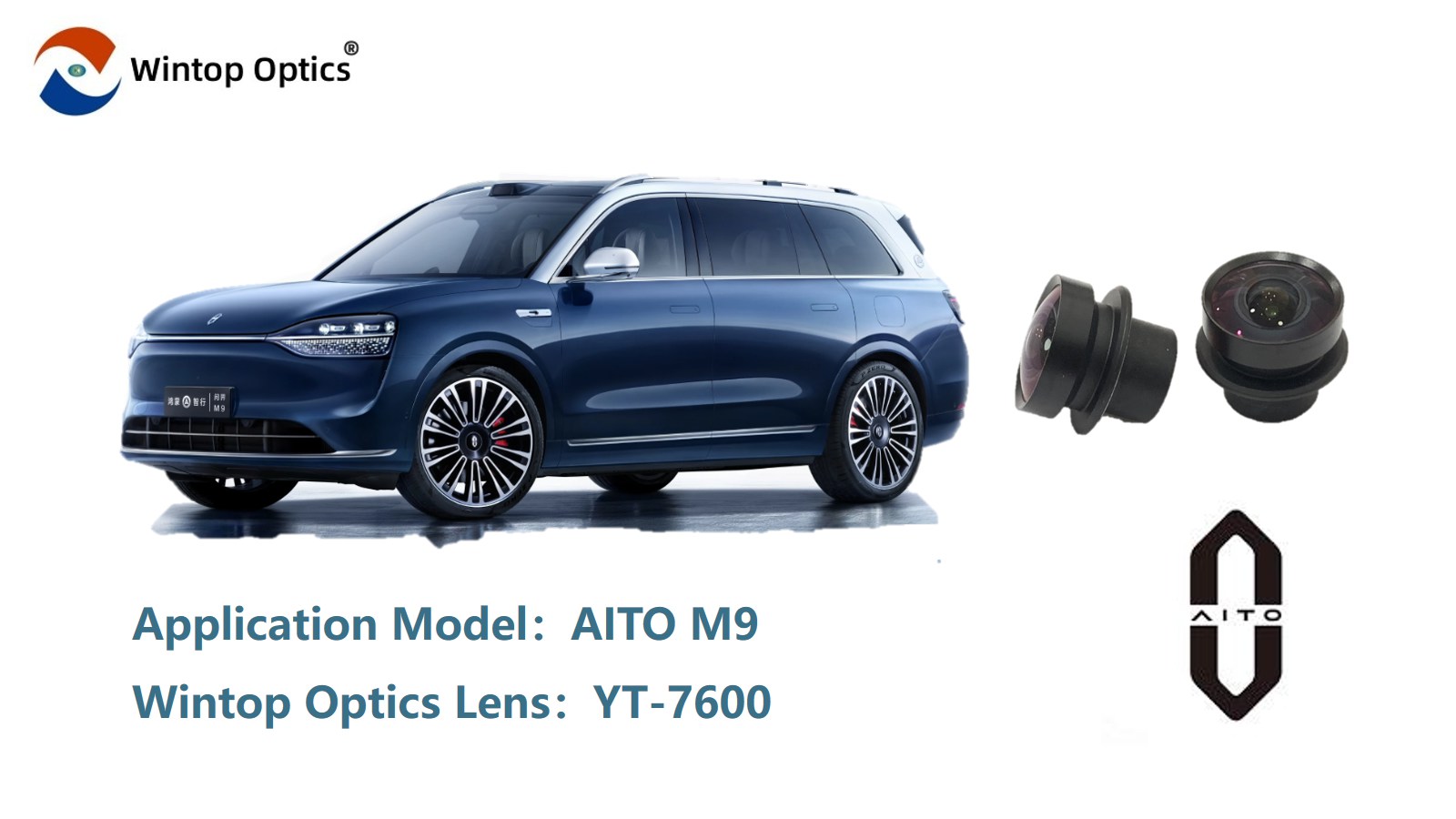
ファーウェイの車載DMS(ドライバーモニタリングシステム)およびOMS(乗員モニタリングシステム)プロジェクトは、Wintop Optics社が開発したYT-7600モデルレンズの恩恵を受けました。この採用は、ドライバーと乗員の安全性に重点を置いた最先端の自動車技術へのファーウェイの貢献を改めて示すものです。車(ドライバーモニタリングシステム/乗員モニタリングシステム) DMSレンズ /OMSレンズ ドライバーの注意力と車内の乗員の状態を監視する先進安全システムの一部です。DMSレンズはドライバーの顔に焦点を合わせ、疲労や脇見の兆候を検知します。一方、OMSレンズは乗員を監視し、エアバッグなどの安全機能が正しく作動していることを確認します。YT-7600モデル 乗員監視システムレンズ Wintop Optics のこの製品は Huawei の自動車プロジェクトに採用されており、これらの高度な監視システムへの適合性が強調されています。
続きを読む

ニュースとブログ

Wintop Optics は、光学レンズ技術の限界を押し上げることに専念しています。先進的なレンズメーカーとして、当社は世界中の顧客の多様なニーズを満たすために、新しい光学技術を取り入れて継続的に進化しています。 Wintop Optics はあなたのパートナーです。
ブログ
Which Lens is Used in a Drone Camera?
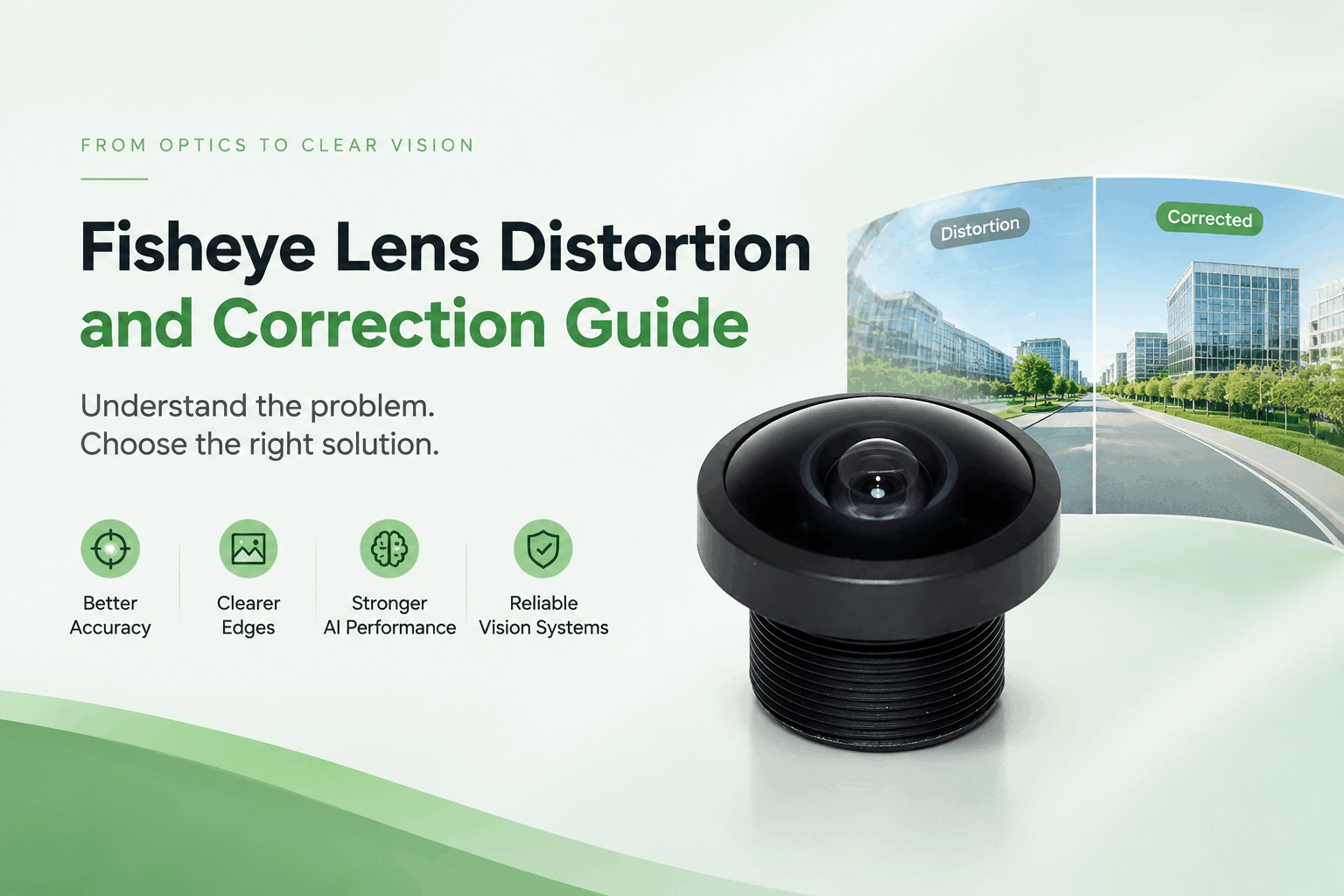
Drone cameras have become essential tools for aerial photography, surveillance, industrial inspections, and mapping. The quality of the lens directly affects image clarity, field of view, low-light performance, and overall drone capabilities. Selecting the right lens for your drone can make the difference between professional-grade footage and ordinary results. Popular Lens Types for Drones For drones, M12 S-Mount lenses are widely used due to their compact size, lightweight design, and excellent optical performance. One of the most popular options is the 3.3mm M12 lens f1.1 for drone low-light imaging, which provides ultra-bright performance in dim environments and is ideal for FPV drones or evening aerial photography. For drones that require longer focal lengths or detailed inspection capabilities, lenses such as the 6mm M12 lens f1.8 for UAV cameras or 4mm M12 S-Mount lens for night vision UAV are highly recommended. These lenses offer higher precision and allow drones to capture intricate details from higher altitudes or during night operations. Wide Angle and High Aperture Lenses A wide field of view is crucial for aerial photography. Lenses like 3.3mm ultra bright M12 lens f1.1 for aerial photography and 3.6mm M12 lens f2.0 for drone videography provide broad coverage while maintaining minimal distortion. High-aperture lenses allow drones to perform well in low-light conditions, enabling sunset or nighttime flights without sacrificing image quality. Low Distortion and Sensor Compatibility Different drones come with different camera sensors, so lens compatibility is essential. High-quality M12 lenses such as 3.0mm M12 lens for 1/2.7 inch UAV sensor or 4.0mm M12 lens for 1/3 inch FPV camera ensure low distortion and crisp imaging. Selecting lenses that match your sensor size guarantees accurate image reproduction and professional results. Applications in Drone Operations Aerial Photography: Wide-angle lenses like 3.3mm M12 lens f1.1 with wide angle for UAV cameras deliver cinematic and immersive shots. Industrial Inspections: Lenses such as 6mm M12 lens f1.8 for drone surveillance capture fine details in difficult-to-reach areas, making them ideal for inspection drones. Night Surveillance: 4mm M12 S-Mount lens for night vision UAV ensures bright and clear imaging even in low-light conditions. FPV Racing Drones: Lightweight lenses like 3.3mm M12 S-Mount lens for FPV drones provide fast, responsive visuals for high-speed operations. Why Choose M12 Lenses for Drones? M12 lenses are compact, versatile, and offer excellent optical quality. Their small size and lightweight design make them suitable for various drone models, from hobbyist FPV drones to professional UAVs. The availability of different focal lengths, apertures, and wide-angle designs ensures that there is an M12 lens for virtually every drone application. Conclusion Choosing the right lens for your drone camera depends on the intended application, sensor size, and desired field of view. A mix of lenses — from 3.3mm F1.1 for low-light FPV flying to 6mm F1.8 for industrial inspections — provides flexibility and ensures high-quality aerial imaging. By selecting the appropriate M12 S-Mount lens, drone operators can achieve clear, low-distortion footage for both professional and recreational use. Call to Action If you are looking for high-performance M12 lenses for drones, contact us today to explore our full range of lenses designed for FPV, aerial photography, night vision, and industrial UAV applications. Let us help you find the perfect lens for your drone project. Contact Wintop Optics: TEL/WhatsApp:+86 153 0268 9906 Email:yorty@yuntal.com
Mar 28,2026 もっと見る
ブログ
Why Are Dashcam Lenses So Wide Angle?
When choosing a dash camera, one of the first things people notice is how wide the lens appears to be. Unlike traditional cameras, most dashcams are designed with a wide angle dash cam lens to capture a much broader field of view, often ranging from a 140 degree dash cam lens to a 170 degree ultra wide angle dash cam lens. So why are dashcam lenses made so wide? The answer lies in safety, coverage, and real-world driving needs. Capturing More of the Road in a Single Frame The primary reason behind a wide-angle design is simple: it allows the camera to record more of the surrounding environment. Instead of focusing narrowly on what is directly in front of the vehicle, a wide field of view car camera lens can include adjacent lanes, sidewalks, and roadside activity all at once. In practical terms, this means that important details—such as a car approaching from the side or a pedestrian stepping into the road—are less likely to be missed. For drivers, this broader perspective can make a significant difference when reviewing footage after an incident. Reducing Blind Spots During Driving Blind spots are a common cause of accidents, especially in busy urban traffic or on highways. A wide angle front view dash cam lens helps reduce these blind areas by extending the visible range toward the edges of the scene. This becomes particularly valuable at intersections, during lane changes, or when vehicles merge unexpectedly. For larger vehicles like trucks or buses, using a wide angle dash cam lens for truck is even more critical, which is why it is widely adopted in fleet and commercial systems. Adapting to Different Camera Positions Modern dashcam systems often go beyond a single front-facing camera. Many setups include rear cameras and interior monitoring, each with its own requirements. A wider viewing angle helps ensure that each camera can effectively cover its intended area. For example, a wide angle rear view dash cam lens improves visibility when reversing, while a wide angle in-car monitoring lens or ultra wide cabin camera lens can capture the entire cabin without leaving gaps. This flexibility is one of the key reasons wide-angle designs have become standard across automotive camera systems. The Balance Between Coverage and Image Accuracy While wider lenses provide greater coverage, they also introduce certain optical challenges. As the viewing angle increases, images near the edges may appear slightly curved or stretched. This effect, commonly known as distortion, is a natural result of ultra-wide optical design. High-quality solutions, such as a low distortion wide angle dash cam lens or an ultra wide angle lens with low distortion, are engineered to minimize this effect. The goal is to maintain a natural-looking image while still offering a broad field of view. Performance in Low-Light Environments Driving at night presents additional challenges, and lens design plays an important role in how well a dashcam performs under low-light conditions. A well-designed wide angle dash cam lens for night vision works together with advanced sensors to capture enough light, ensuring that important details remain visible even in dim environments. In higher-end systems, an ultra wide low light automotive lens or even a 4K ultra wide dash cam lens can deliver clear footage while maintaining wide coverage. Is Wider Always Better? It may seem that the widest possible lens would always be the best choice, but that’s not necessarily true. While a broader field of view increases coverage, it can also reduce detail in certain areas and make distortion more noticeable. This is why comparisons like 140 vs 170 degree dash cam lens are common when selecting a product. A moderate angle may offer a better balance between clarity and coverage, depending on the application. Choosing the Right Lens for Your Needs Selecting the right dashcam lens involves more than just looking at the viewing angle. It’s important to consider where the camera will be installed, what it needs to capture, and how it will perform in different conditions. Factors such as image clarity, distortion control, and low-light performance all play a role. Many compact systems today adopt an M12 wide angle dash cam lens design, which allows for easy integration into various automotive camera modules. Conclusion Dashcam lenses are designed to be wide-angle because they offer greater visibility, reduce blind spots, and capture more of what happens on the road. These advantages make a wide angle dash cam lens an essential component of modern vehicle safety systems. However, the ideal solution is not simply the widest option available. A well-balanced lens—combining coverage, clarity, and performance—will deliver the most reliable results in real-world driving scenarios. Contact Us Looking for a reliable wide angle dash cam lens for your project? We offer professional support, fast recommendations, and custom solutions to match your exact requirements. Phone / WhatsApp: +86 153 0268 9906 Email:yorty@yuntal.com   Get in touch with us today and let’s find the right lens for your application.
Mar 28,2026 もっと見る
ブログ
The Ultimate Step-by-Step Guide to Choosing an M12 Lens for Your Embedded Camera Application
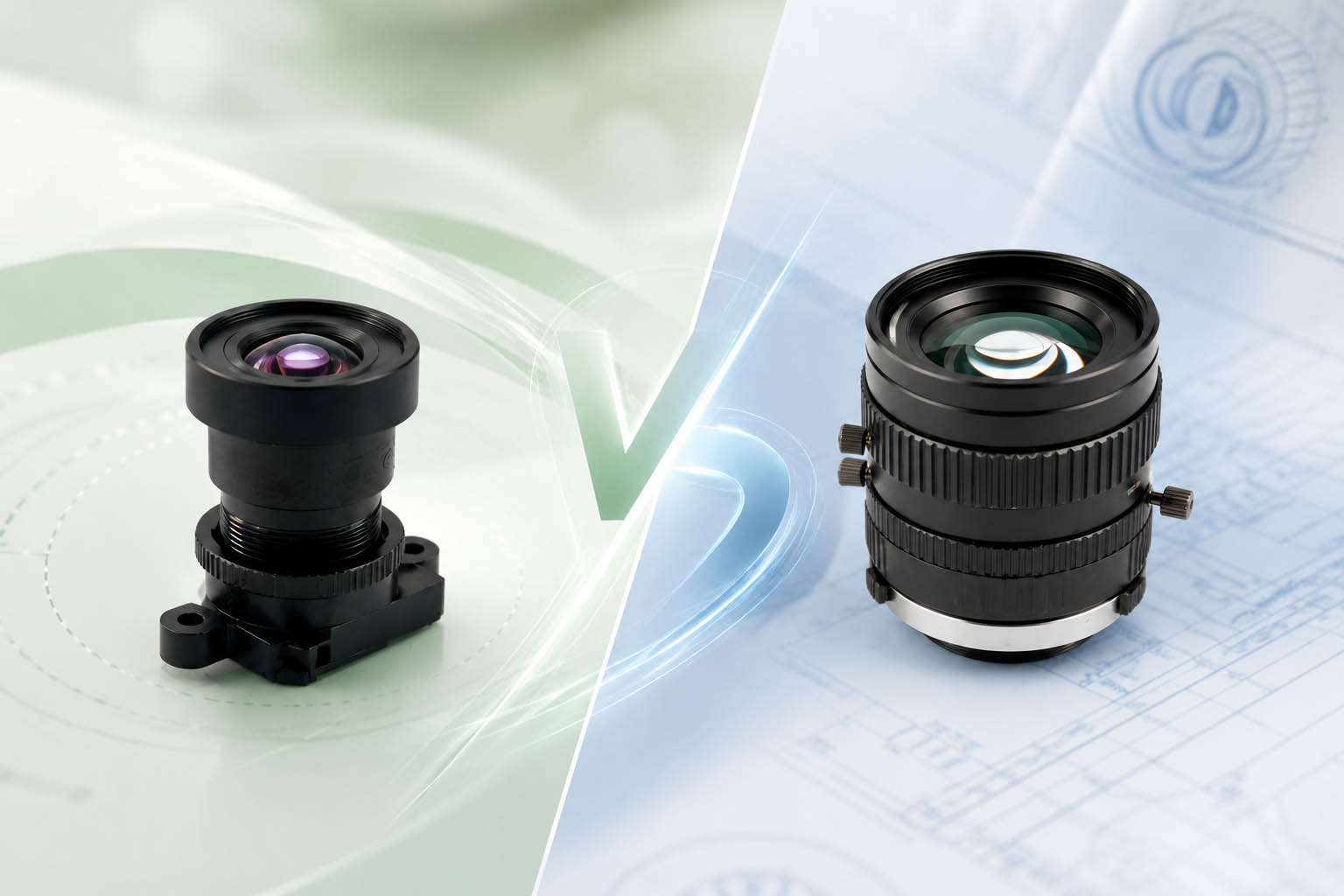
Choosing the right M12 lens for embedded camera applications is critical for achieving optimal image quality, system performance, and long-term reliability. Whether you are designing a smart device, industrial vision system, or automotive solution, selecting the correct M12 lens module can significantly impact your final product. In this guide, we’ll walk you through a step-by-step process to help you choose the best M12 camera lens for embedded systems, while covering key technical parameters and application-specific considerations. 1. Understand Your Embedded Camera Application Requirements Before selecting an M12 lens for embedded systems, you need to clearly define your application scenario. Common embedded applications include: Smart home cameras IoT devices Industrial machine vision systems ADAS and automotive cameras Robotics and AI vision Each scenario requires a different type of M12 lens for specific applications, such as: M12 lens for surveillance camera M12 lens for ADAS system M12 lens for machine vision Tip: Always start with the use case, not the lens. 2. Choose the Right Focal Length (Field of View) The focal length determines the field of view (FOV), which is one of the most important factors when selecting an M12 wide angle lens for embedded camera. Typical focal lengths: 1.8mm – Ultra wide-angle / fisheye 2.1mm – Wide angle 2.8mm – Standard wide-angle 3.6mm+ – Narrower field, longer distance If your project requires a wider scene, consider: ultra wide angle M12 lens fisheye M12 lens for embedded systems For more focused applications: low distortion M12 lens for machine vision 3. Match the Sensor Size An M12 board lens must match your image sensor size to avoid vignetting and ensure full image coverage. Common sensor formats: 1/4" 1/3" 1/2.7" 1/2.5" For example: Use a M12 lens for 1/2.7 sensor camera for better compatibility Choose a high resolution M12 lens for embedded camera module when using megapixel sensors 4. Consider Aperture and Low-Light Performance Aperture (F-number) affects how much light enters the lens. Key considerations: Lower F-number (e.g., F1.8): better low-light performance Higher F-number (e.g., F2.8): deeper depth of field If your application includes night or indoor use: low light M12 lens for embedded camera night vision M12 lens module 5. Evaluate Distortion and Image Quality Distortion is especially important in embedded vision systems such as robotics and industrial inspection. Lens types: Low distortion: ideal for measurement and AI vision Wide angle: higher distortion but broader coverage Recommended keywords: low distortion M12 lens for industrial camera high resolution M12 lens for machine vision 6. Check Lens Structure and Size Constraints Embedded systems often have strict space limitations, making compact M12 lens modules essential. Important factors: Total Track Length (TTL) Diameter and mounting structure Weight and material Best options: compact M12 lens for embedded device mini M12 lens module for IoT camera 7. Consider Special Features (IR, HDR, etc.) Depending on your application, you may need specialized features: Examples: IR cut or IR pass for night vision HDR compatibility Waterproof or dustproof design Relevant keywords: infrared M12 lens for night vision camera M12 lens for outdoor surveillance system 8. Choose a Reliable M12 Lens Manufacturer Finally, selecting a trusted supplier is just as important as the technical specs. Look for: Customization capability Stable quality control Experience in embedded systems Search-friendly keywords: M12 lens manufacturer for embedded camera custom M12 lens supplier for OEM projects M12 lens factory for industrial applications Conclusion Selecting the right M12 lens for embedded camera applications involves balancing multiple factors, including focal length, sensor compatibility, image quality, and system constraints. By following this step-by-step guide, you can confidently choose the best M12 lens module for your embedded system, ensuring optimal performance across a wide range of applications—from smart home devices to advanced automotive systems.
Mar 20,2026 もっと見る
ブログ
What Sensors Are Used in ADAS?
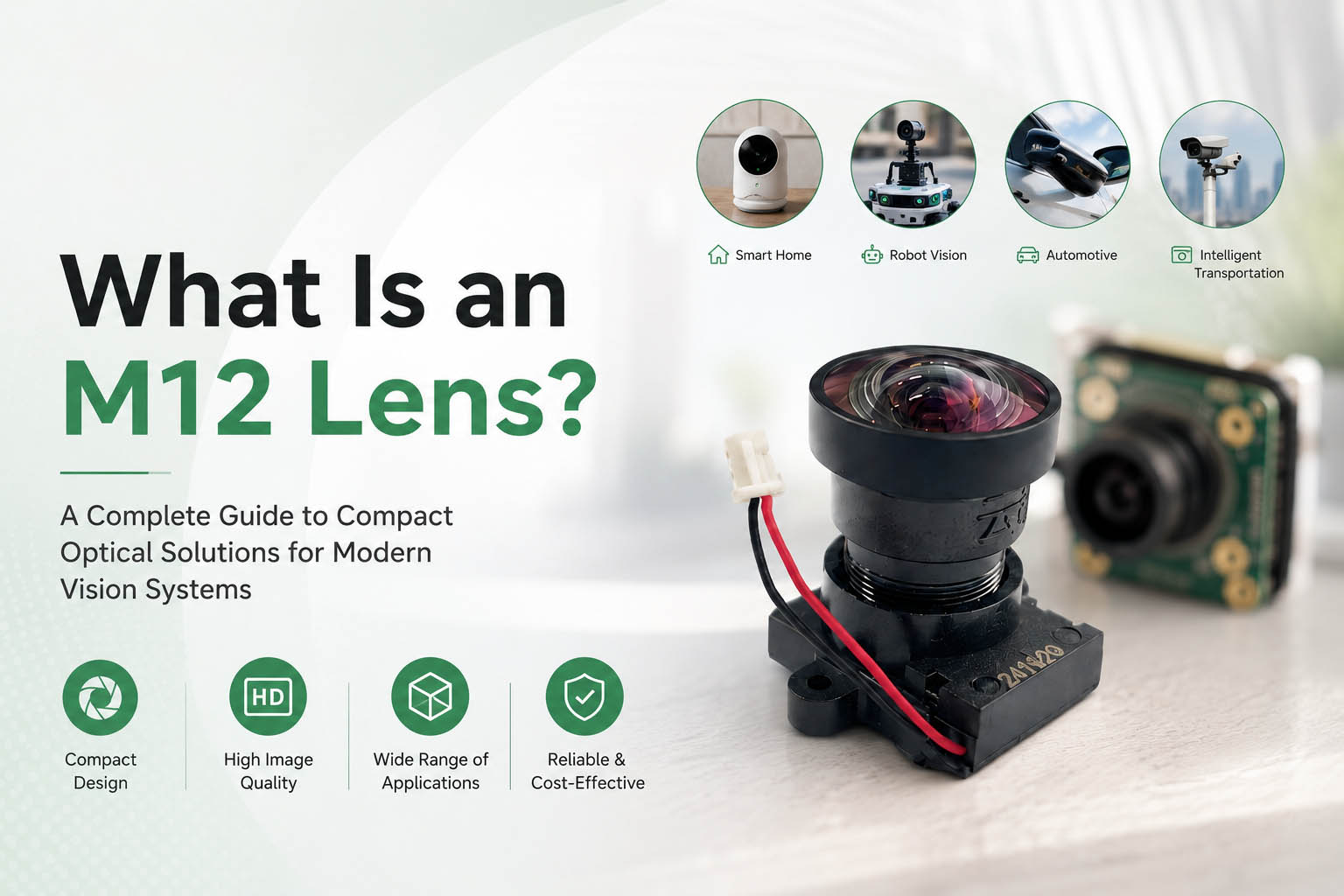
Advanced Driver Assistance Systems (ADAS) rely on a combination of sensors to help vehicles perceive the surrounding environment. These systems support safety features such as lane departure warning, automatic emergency braking, adaptive cruise control, and driver monitoring. While radar, LiDAR, and ultrasonic sensors are commonly used in ADAS, camera-based perception systems remain one of the most important technologies. These cameras rely on high-performance automotive sensors combined with precisely designed M12 lenses for ADAS cameras. Understanding which sensors are used in ADAS and how they work with automotive M12 lens solutions can help engineers design reliable vehicle vision systems. Front ADAS Cameras and 1/2.8" Sensor M12 Lenses Front-facing cameras are critical components in modern ADAS platforms. They are responsible for detecting lane markings, road signs, vehicles, and pedestrians. Many front-view systems use 1/2.8-inch CMOS automotive sensors such as the Sony IMX390 HDR automotive sensor. These sensors support high dynamic range imaging, which allows the camera to handle challenging lighting conditions such as tunnels, headlights, and strong sunlight. To match this type of sensor, manufacturers typically use 1/2.8 sensor M12 lenses for ADAS front cameras. These lenses are designed with: optimized CRA for automotive sensors low distortion optical design stable imaging across temperature ranges A well-designed automotive M12 lens for IMX390 sensors ensures clear object detection for forward collision warning and lane recognition systems. Surround View Systems and Ultra Wide Angle M12 Lenses Many vehicles today include a 360-degree surround view system that provides a bird’s-eye perspective around the vehicle. These systems usually rely on multiple cameras equipped with 1/3-inch CMOS sensors for surround view cameras. To achieve full environmental coverage, these cameras use ultra wide angle M12 lenses with 190° or greater field of view. This type of wide FOV M12 lens for surround view systems enables drivers to clearly see blind spots and nearby obstacles. A high-quality low distortion M12 lens for 1/3 sensor automotive cameras is essential for accurate image stitching and generating a seamless panoramic view. Driver Monitoring Sensors and Infrared M12 Lenses Driver Monitoring Systems (DMS) use cameras inside the vehicle to track driver behavior and detect fatigue or distraction. These cameras often use 1/3-inch near-infrared CMOS sensors, which are sensitive to 850 nm infrared illumination. To support these sensors, manufacturers design infrared M12 lenses for driver monitoring cameras with coatings optimized for NIR wavelengths. An IR corrected M12 lens for 1/3 sensor DMS cameras ensures clear facial detection in both daytime and nighttime driving conditions. Side Cameras and Compact 1/4 Sensor M12 Lenses Side-view and mirror replacement cameras are increasingly used in modern vehicles. These compact cameras often adopt 1/4-inch automotive CMOS sensors, which allow the camera module to remain small while still providing sufficient resolution. To match these sensors, engineers typically use compact M12 lenses for 1/4 sensor automotive cameras. These lenses are designed with: short optical track length stable focus structure wide viewing angle for side monitoring A reliable small form factor M12 lens for automotive side cameras helps improve visibility around the vehicle and supports blind spot detection systems. Radar and LiDAR Sensors in ADAS Although camera systems are essential, ADAS relies on additional sensors for redundancy and improved perception. For example: 77 GHz millimeter-wave radar sensors measure object distance and speed 905 nm LiDAR sensors provide high-precision 3D mapping 40 kHz ultrasonic sensors detect nearby obstacles during parking However, visual recognition tasks such as lane detection, traffic sign recognition, and pedestrian identification still depend heavily on high resolution M12 lenses used in automotive camera modules. By combining radar data with camera images captured through automotive grade M12 lenses, ADAS systems can achieve higher reliability and better environmental awareness. Why M12 Lenses Are Widely Used in Automotive Cameras The M12 lens mount, also known as an S-mount lens, is widely used in automotive camera modules because of its compact design and flexible optical configurations. Compared with larger lens mounts, automotive M12 lenses for ADAS cameras offer several advantages: compact size suitable for small camera modules cost-effective mass production compatibility with 1/4", 1/3", and 1/2.8" sensors availability of ultra wide angle optical designs Modern M12 lenses for automotive vision systems can also be optimized for: HDR sensors low distortion imaging wide temperature automotive environments vibration-resistant structures These features make M12 camera lenses a popular choice for ADAS camera manufacturers worldwide. Conclusion ADAS systems rely on multiple sensing technologies to ensure safe driving. Common sensors used in these systems include: automotive CMOS camera sensors 77 GHz radar sensors 905 nm LiDAR modules ultrasonic parking sensors Among these technologies, camera-based perception remains essential. High-performance sensors paired with precision M12 lenses for automotive cameras enable reliable detection of lanes, vehicles, pedestrians, and road signs. As ADAS technology continues to evolve, the combination of advanced sensors and high-quality automotive M12 lens solutions will remain a key factor in building safer and smarter vehicles. Contact Us Today For expert advice and reliable optical lens solutions, please contact our professional team: Wintop Optics Team Tel / WhatsApp / WeChat: +86 153 0268 9906 / +86 153 0268 9906   Email: yorty@yuntal.com
Mar 14,2026 もっと見る
ブログ
How to Test Camera Lens Quality? A Practical Guide for Industrial and M12 Lenses
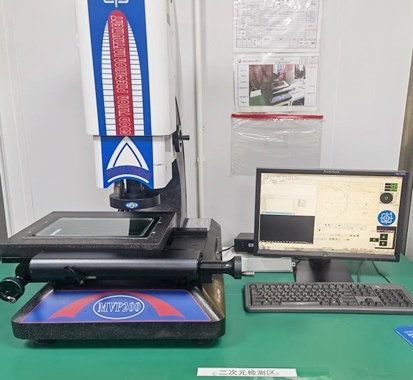
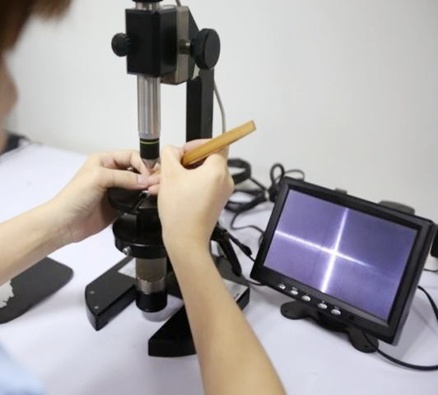
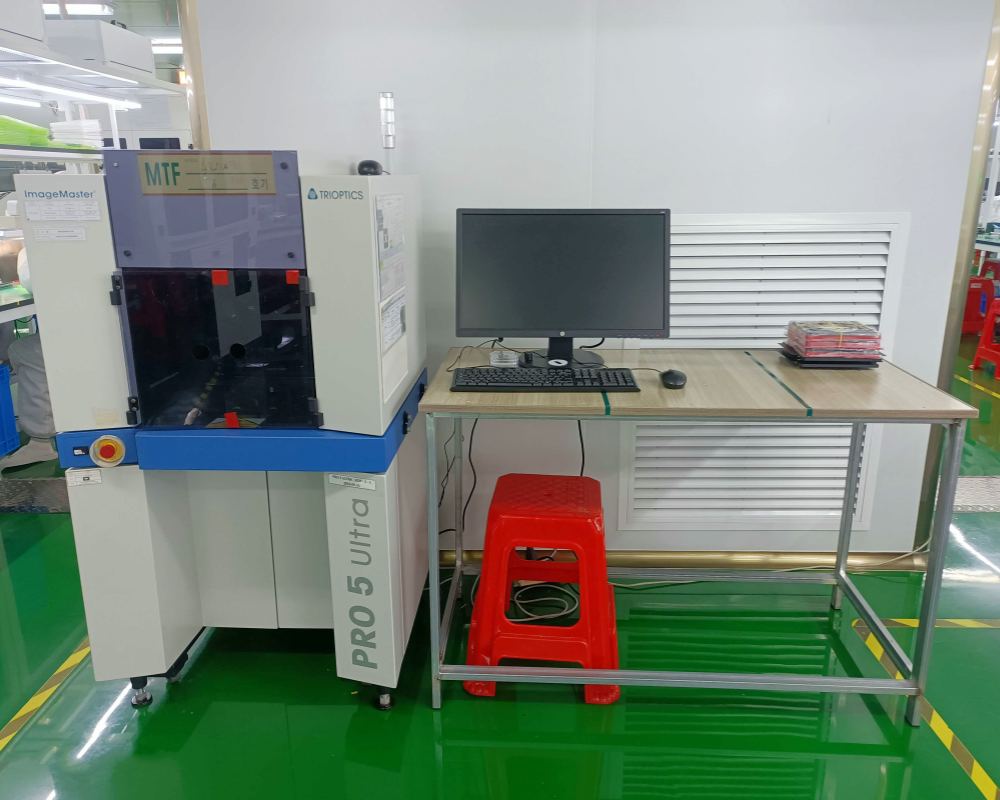
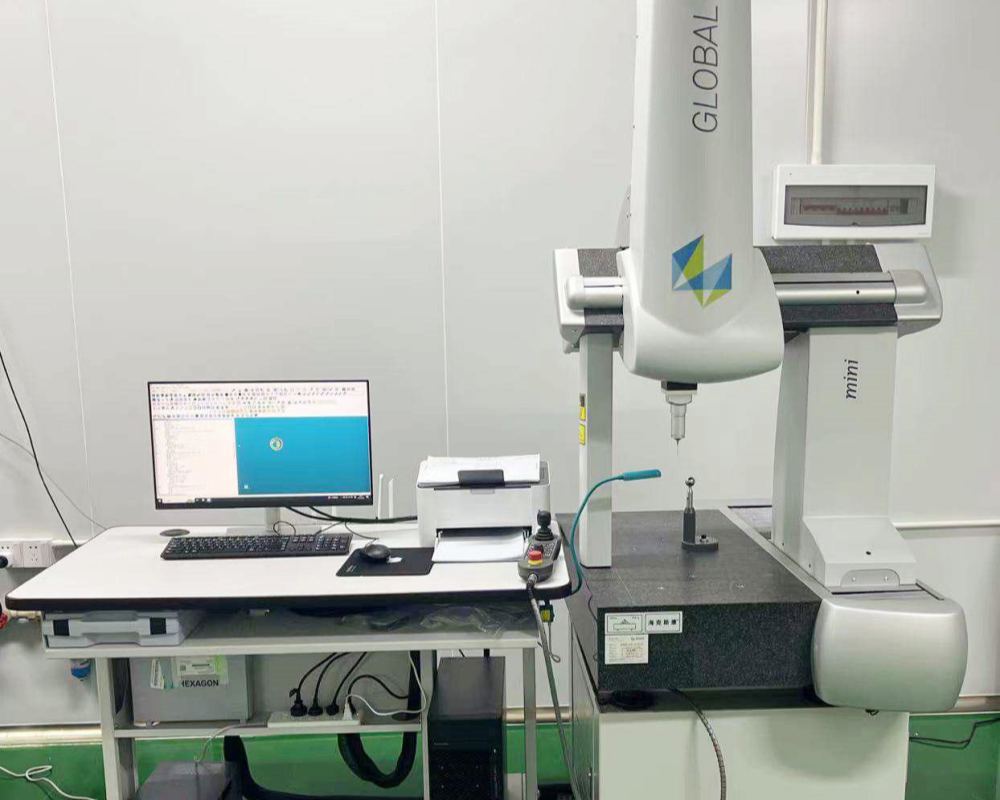
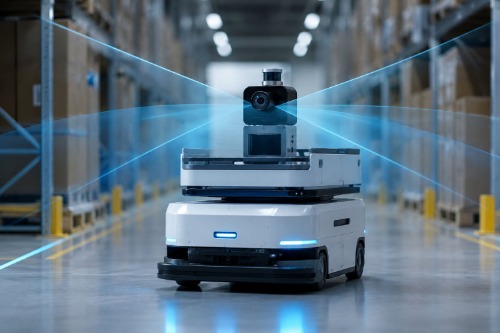
In modern imaging systems, the quality of the camera lens directly affects image clarity, accuracy, and system performance. Whether the lens is used in robotics, smart security cameras, drones, or industrial vision systems, reliable optical performance is essential. When sourcing lenses from a professional camera lens manufacturer or an experienced M12 lens supplier, understanding how lens quality is tested can help you choose the right optical solution for your project. This article introduces the most important methods used by professional M12 lens factories to test and evaluate camera lens quality. 1. Resolution and Image Sharpness Testing Resolution testing determines how clearly a lens can reproduce fine details. It is one of the most important indicators of lens performance, especially for applications such as machine vision and AI cameras. Manufacturers usually perform MTF (Modulation Transfer Function) testing to measure image contrast at different spatial frequencies. For example, a high resolution M12 board lens designed for industrial inspection should maintain strong image sharpness not only in the center but also toward the edges of the frame. If the lens is designed for a 1/3 sensor M12 large aperture lens, resolution testing ensures the lens can fully utilize the sensor's pixel capability without image degradation. 2. Field of View Verification The field of view (FOV) determines how much of the scene a camera can capture. Accurate FOV measurement is particularly important for wide-angle lenses used in robotics and surveillance systems. A robot vision wide-angle M12 lens may offer extremely large viewing angles to help autonomous systems perceive their surroundings. During testing, optical measurement equipment checks whether the actual FOV matches the design specification. Even small deviations can affect positioning accuracy in robotics or automated inspection systems. Reliable industrial M12 camera lens manufacturers conduct strict FOV verification during both development and production stages. 3. Distortion Analysis Wide-angle lenses naturally introduce some distortion, especially barrel distortion. However, excessive distortion can negatively affect image interpretation and measurement accuracy. Engineers usually evaluate distortion by photographing grid charts or calibration patterns. Specialized optical software then analyzes how much the lines deviate from their expected positions. A well-designed wide-angle M12 lens for robot vision balances large viewing angles with controlled distortion, ensuring usable images for AI algorithms and visual navigation. 4. Aperture and Low-Light Performance Testing Aperture size determines how much light a lens can collect. Larger apertures allow the camera to capture brighter images in low-light environments. For example, a 1/3 sensor M12 large aperture lens is often used in security cameras, night monitoring devices, and intelligent traffic systems. Testing usually includes evaluating image brightness, noise level, and clarity under low illumination conditions. A well-designed low light M12 lens for security camera systems should maintain clear imaging while minimizing noise and motion blur. 5. Sensor Compatibility and CRA Testing Modern CMOS sensors require careful lens matching to achieve optimal performance. One important parameter is the Chief Ray Angle (CRA). If the CRA is too large, light may reach the sensor at an improper angle, causing shading or image quality loss. When designing lenses for sensors such as 1/3-inch imaging sensors, engineers optimize the optical path to ensure compatibility. This is especially important when developing a 1/3 sensor M12 camera lens for machine vision cameras or compact AI imaging devices. 6. Mechanical Reliability and Environmental Testing Camera lenses must also withstand real-world environments. This is particularly important for lenses used in vehicles, drones, and industrial equipment. Professional manufacturers perform reliability testing including: vibration testing temperature cycling humidity exposure mechanical shock testing An industrial M12 camera lens designed for robotics or automotive systems often features durable metal housing and precise assembly to ensure long-term stability. 7. Lens Coating and Optical Transmission Testing Optical coatings significantly affect image quality. Multi-layer anti-reflection coatings improve light transmission and reduce unwanted reflections. Testing equipment measures how efficiently light passes through the lens elements and verifies coating consistency. High-quality coatings help reduce flare, improve contrast, and ensure stable imaging performance for applications such as AI cameras, industrial inspection systems, and smart surveillance devices. Choosing the Right M12 Lens Manufacturer Beyond testing methods, selecting a reliable manufacturing partner is critical for consistent lens quality. A professional optical supplier should provide: advanced optical design capabilities precision manufacturing processes strict quality inspection standards customized lens solutions for specific sensors and applications Whether you need a robot vision wide-angle M12 lens, a 1/3 sensor M12 large aperture lens, or a low light M12 lens for security cameras, working with an experienced optical manufacturer ensures stable performance and long-term supply. Conclusion Testing camera lens quality involves a combination of optical measurement, sensor compatibility verification, mechanical reliability testing, and coating inspection. These evaluation methods help ensure that modern M12 camera lenses meet the demanding requirements of robotics, AI vision, industrial inspection, and surveillance systems. By understanding how lenses are tested, engineers and buyers can confidently choose high-performance optical components that deliver reliable imaging results in real-world applications. Contact Us Today For expert advice and reliable optical lens solutions, please contact our professional team: Wintop Optics Team Tel / WhatsApp / WeChat: +86 153 0268 9906 / +86 153 0268 9906 Email: yorty@yuntal.com
Mar 14,2026 もっと見る
  • Wintop Optics is Exhibiting at Laser World of Photonics Shanghai 2026
    Wintop Optics, a professional manufacturer of high-performance optical lenses, is currently participating in the Laser World of Photonics Shanghai, one of the most influential trade fairs for the photonics and optics industry in Asia. The exhibition is taking place in Shanghai, China, where global industry leaders, engineers, and innovators gather to explore the latest developments in optical technologies, machine vision systems, and imaging solutions. Visit Wintop Optics at Booth E5.5832 During the event, Wintop Optics is showcasing its latest innovations in optical lenses, including: High-quality M12 lenses for machine vision applications Advanced ADAS camera lenses for automotive imaging systems Ultra wide-angle and fisheye lenses for smart devices and surveillance Customized optical lens solutions for industrial and AI-driven imaging Visitors are invited to booth E5.5832 to experience our products firsthand and discuss tailored optical solutions with our professional engineering and sales team. Driving Innovation in Optical Imaging With over 20 years of experience in optical lens design and manufacturing, Wintop Optics continues to deliver reliable and innovative imaging solutions for a wide range of industries, including: Intelligent driving and automotive safety Industrial automation and machine vision Smart home and security systems Robotics and AI imaging Our participation in Laser World of Photonics Shanghai reflects our commitment to staying at the forefront of optical technology and strengthening global partnerships. Meet Us in Shanghai We warmly welcome customers, partners, and industry professionals to visit our booth and explore how our high-performance optical lenses can support your next project. 📍 Booth: E5.5832 📍 Location: Shanghai, China
    Mar 18, 2026 ニュース
  • Wintop Optics、ストリーミングバックミラーシステム向けYT-7739-F8レンズを発売
    ウィントップオプティクスは、新製品YT-7739-F8のリリースを誇りを持って発表します。 ストリーミングバックミラーレンズ次世代の車載ビジョン システム向けに、優れた鮮明度、広角カバレッジ、並外れた耐久性を実現するように設計されています。 需要が高まるにつれて スマート自動車レンズYT-7739-F8 は、光学精度と環境信頼性の完璧なバランスを実現し、あらゆる運転条件でクリアで安定したパフォーマンスを保証します。 道路全体を広角でカバー YT-7739-F8 は焦点距離 2.1 mm を特徴とし、157° の優れた対角視野を実現し、ストリーミング バックミラーで歪みのない包括的かつリアルタイムの後方映像を表示できます。 この超広視野角により、ドライバーの状況認識力が向上し、死角が減り、車線変更や後退時の安全性が向上します。 高い光透過率と低歪み 精密に設計されたこのレンズは、平均透過率 90% 以上 (455~585 nm)、640 nm で 50% の透過率を実現し、厳しい照明条件でも鮮明でコントラストの高い画像を保証します。 歪み率が低い(< −25% のコントラストと高い相対照度 (> 68%) により、エッジからエッジまでリアルな画質が保証され、車載ディスプレイや記録システムに最適です。 過酷な自動車環境向けに設計 YT-7739-F8 は 6G + 1BG 光学構造を採用しており、優れた光学安定性と最小限の色収差を実現します。 レンズは -40 °C ~ +85 °C の温度範囲で性能を維持し、自動車グレードの厳しい耐久性基準を満たしています。 堅牢な A6061 アルミニウム ハウジングと IP69K 防水・防塵等級を備え、高圧水、粉塵の侵入、振動に耐え、夏の暑さや大雨のどちらの状況でも信頼性の高いパフォーマンスを保証します。 現代の車両システムに最適化 YT-7739-F8 は、Sony IMX307 センサー (1920×1080) と互換性があり、ストリーミング バックミラー、駐車支援システム、サラウンド ビュー モニタリング (AVM) で使用される高度なイメージング モジュールをサポートします。 光学設計により、高解像度ディスプレイの安定した画像出力が保証され、ドライバーにクリアで遅延のない視覚体験をリアルタイムで提供します。 自動車ビジョンの未来を推進 車両がよりスマートで安全な視覚技術を統合し続けるにつれて、Wintop Opticsは信頼性が高く、 高性能自動車用レンズ 運転の安全性と快適性の両方を向上させます。 YT-7739-F8 は、広角精度、環境耐久性、光学的卓越性を 1 つのコンパクトな設計に組み合わせた、光学イノベーションの新たな一歩です。 ウィントップオプティクスについて 自動車、セキュリティ、産業用光学レンズ製造の分野で19年以上の専門知識を持つ ウィントップオプティクス 世界中のお客様に高度なイメージングソリューションを提供しています。光学性能、耐久性、そしてインテリジェントなイメージングアプリケーションに重点を置き、革新を続けています。
    Nov 08, 2025 ニュース
  • Wintop Optics、高性能ドローン撮影用レンズYT-1755P-F1を発表
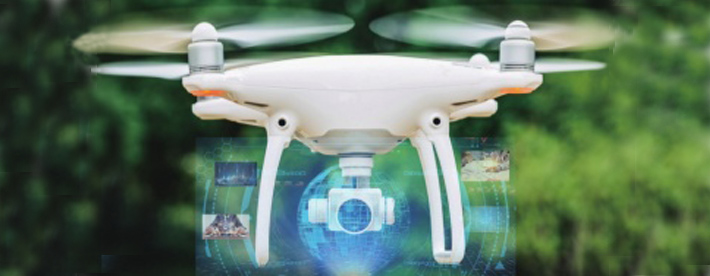
    Wintop Opticsは、ドローンや航空撮影用途において卓越した画像性能を実現するよう設計された新製品YT-1755P-F1レンズの発売を誇りを持って発表します。コンパクトな光学設計と優れた光透過率および安定性を兼ね備えたこの新モデルは、航空監視、マッピング、低照度撮影における画像の鮮明さと信頼性を向上させます。 空中視界のための優れた光学的透明度 YT-1755P-F1 ドローンレンズ 焦点距離2.08mm、F値1.1の大口径レンズを搭載し、低照度環境でも優れた集光性能を発揮します。これにより、ドローンは高高度や夕暮れ時、夜明け時のミッションにおいて、より鮮明で詳細な画像を撮影できます。 最大135°(対角)の視野角(FOV)を備えたこのレンズは、超広角の視野を提供し、航空監視や風景撮影に最適です。430~615nmで93%を超える高い透過率により、さまざまな照明条件下でも鮮やかな色再現と正確なコントラストを実現します。 安定性と環境耐久性に最適化 YT-1755P-F1レンズは屋外運用向けに開発され、-20℃から+70℃の環境下で優れた像安定性を維持し、さまざまな気候や飛行条件において高い信頼性を実現します。レンズ構成は2G5P + 1IR光学構造を採用し、歪みを最小限に抑え、赤外線性能を向上させることで視認性と精度を向上させています。 IP52 防塵設計により、内部の光学系を湿気や空気中の粒子から保護し、厳しい環境でも一貫した画質を保証します。 ドローンカメラシステムとの幅広い互換性 YT-1755P-F1は、1/2.7インチ、1/2.8インチ、1/3インチを含む複数のイメージセンサーフォーマットをサポートし、さまざまなカメラとの統合に柔軟性を提供します。 ドローンカメラモジュール低歪み(< 1/2.8 インチで -19% の鮮明度を実現したこのレンズは、航空作戦におけるマッピング、地形認識、物体追跡に不可欠なリアルな画像と正確なエッジディテールを実現します。 プロフェッショナルな航空撮影向けに設計 YT-1755P-F1 は、高い光透過率、広角、温度安定性を備えているため、次のような用途に最適です。 航空写真とビデオ撮影 ドローンによる検査とマッピング セキュリティと環境監視 捜索救助任務 YT-1755P-F1 は、明るい太陽光の下で飛行する場合でも、薄暮の下で飛行する場合でも、すべてのフレームが鮮明で一貫性があり、実物に忠実であることを保証します。 ウィントップオプティクスについて 精密光学設計における19年以上の専門知識を持ち、 ウィントップオプティクス 同社は、自動車、ドローン、監視、産業用途向けの高度なレンズ開発を専門としています。同社は、世界中のよりスマートなビジョンシステムを実現する、高品質で信頼性の高い光学ソリューションの提供を通じて、革新を続けています。
    Oct 31, 2025 ニュース

助けが必要?私たちとしゃべる

伝言を残す
情報または技術サポートが必要な場合は、フォームにご記入ください。アスタリスク* の付いたフィールドはすべて必須です。
送信

製品

whatsApp

コンタクト